Ten Guests, Twenty Minutes a Side: Running a Cassette Listening Night Without Turning It Into a Gear Panel

Photo: small cassette listening party in living room with deck and guests, via breedingbusiness.com
A cassette listening night can be one of the easiest parties to host. It can also turn into a three-hour seminar on belt tension if you let it. The difference is not the gear. It is the format. You want people in chairs, a deck that works, and a rule that keeps the evening moving. One side at a time is enough. Here is a practical checklist for running a small tape night in 2026 without turning it into a gear lecture.
Before the night: pick a narrow theme
A theme is not a gimmick. It is a way to keep ten people from bringing ten unrelated crates. Good themes are specific: one side of a mixtape made by somebody else, a tape bought at a thrift store, a side that reminds you of a car, a tape with handwriting on the J-card. Avoid 'bring your favorite tape.' That is too broad, and it invites the person who brings a sealed promo copy and wants to explain its matrix number.
Keep the guest list small. Eight to ten people is ideal. More than that and the room becomes a bar. Fewer than six and the silences get awkward. Ask each guest to bring one tape and one backup. The backup is for the moment when the first tape turns out to be a dud, which happens more often than anyone likes to admit.
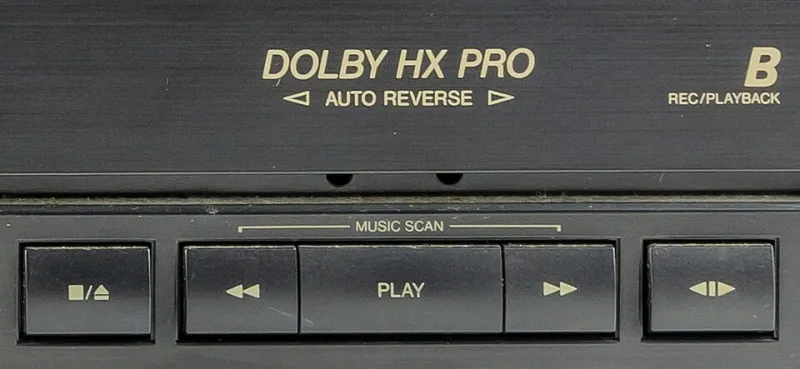
Test your deck the day before. Clean the heads if you can, check the belts, and make sure the pause and stop buttons work. Set the volume before guests arrive and mark the knob with a piece of tape. You want a level that fills the room without making conversation impossible. If your deck has meters, great. They are a nice visual, but they are not the show.
The one-side rule
Every tape gets one side. That is the whole format. A side is usually twenty to thirty minutes, which is long enough to settle in and short enough to keep the room from getting restless. No fast-forwarding. No skipping to the good part. If the side is a mess, that is part of the listening. You can talk about it after.
The one-side rule also protects the tapes. Old cassettes are fragile. Every extra pass, every fast-forward, every pause adds wear. Playing one side and then moving on is gentler than cueing up five different songs. It also keeps the evening honest. You are not curating a highlight reel. You are hearing what the tape actually is.
A simple run of show
6:30 p.m. — Doors. Let people settle in, put their tapes on the table, and get a drink. Keep the music off. The silence is useful.
6:45 p.m. — Welcome. Explain the format in under a minute: one side, no fast-forward, we talk after. Point to the bathroom and the snacks. Do not give a speech about your deck.
7:00 p.m. — Side one. The host introduces the first tape in thirty seconds. Who made it, where it came from, why it is here. Press play. Sit down. Do not narrate.
7:25 p.m. — Short talk. Five minutes. What did you hear? Where did it take you? Keep it light. If somebody starts talking about azimuth, gently move on.
7:35 p.m. — Side two. A different guest's tape. Same format. Thirty-second intro, full side, short talk.
8:05 p.m. — Break. Ten minutes. Refill drinks. Change the air. Do not put on background music.
8:15 p.m. — Side three. One more tape. This is the closer. Pick something with a strong ending.
8:45 p.m. — Wrap. Thank everyone. Ask each person to say one sentence about the side they will remember. Send them home before the night gets long.
Three sides is usually enough. Four is a marathon. If people are still buzzing, let them talk in the kitchen. Do not start a fourth tape just because the room is warm.
Etiquette notes for a listening room
Introduce, do not lecture. Thirty seconds is plenty. The tape is the main event, not your knowledge of its history.
Phones down during playback. Photos between sides are fine. Scrolling is not.
Ask before touching the deck. This is not a rule because guests are clumsy. It is a rule because the deck is the one piece of gear everybody shares.
No fast-forwarding, no volume fiddling. If the volume is wrong, tell the host. Do not reach over somebody's shoulder.
Bring one tape, not a crate. The point is to listen, not to trade. If you want to swap later, do it after the last side.
Label your tape. A piece of masking tape with your name on it saves a lot of confusion at the end of the night.
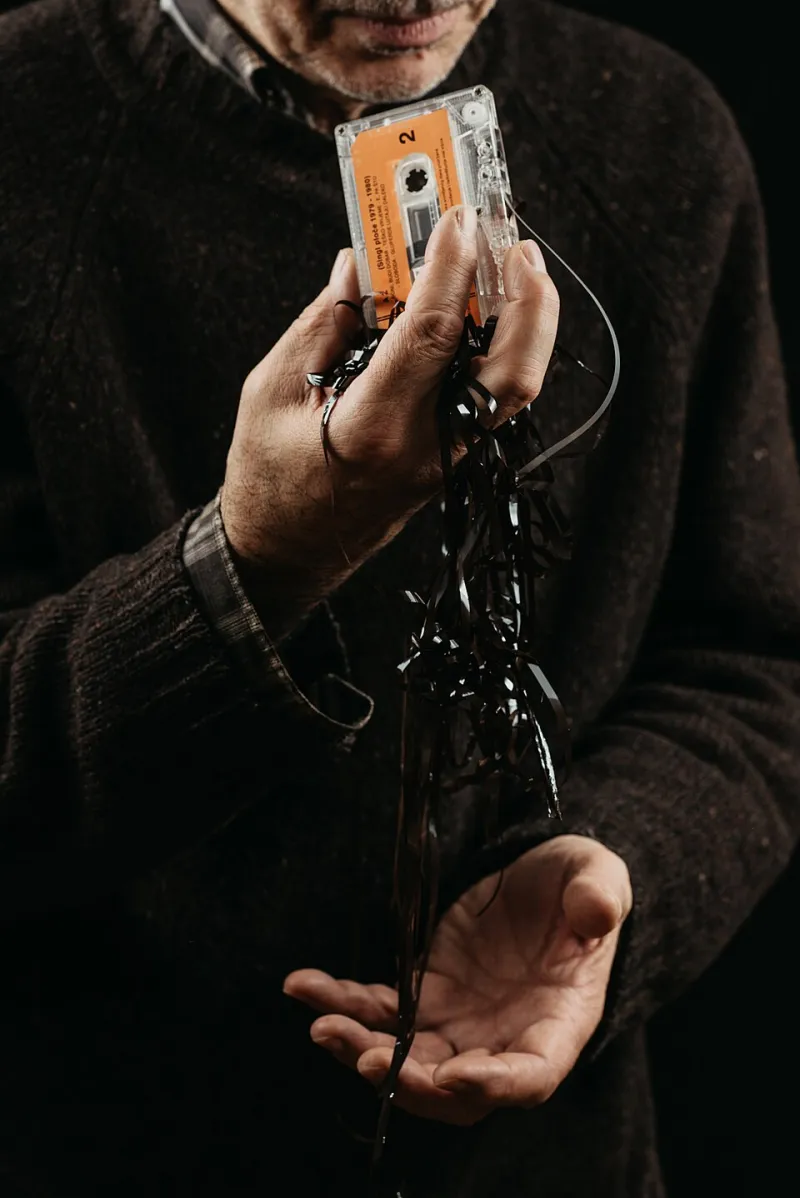
Respect fragile tapes. If a shell is cracked, the pressure pad is gone, or the tape looks chewed, do not play it. Put it on the display table and tell its story instead. A listening night is not a restoration lab.
Keep gear talk for the break. If two people want to compare belts, let them do it in the kitchen. The room is for listening.
Managing volume, light, and conversation
Set the volume before the first side starts. You want it loud enough that people stop talking, but not so loud that the room feels like a club. If the tape has a lot of hiss, do not crank it to compensate. Let the hiss be part of the sound.
Lighting matters more than people think. A lamp or two is better than overheads. Put the deck where people can see it but do not spotlight it. The tapes should be within reach of the host, not the guests.
Conversation is the tricky part. You want people to talk after the side, not during it. A simple prompt helps: 'What is one thing you noticed?' or 'Where did that tape come from?' Avoid 'What do you think?' That invites reviews. You want memories, not ratings.
The close
End on time. A listening night that runs too long stops being a listening night and becomes a hang. That is fine for some people, but it is not the same event. When the last side ends, thank the room, ask for one-sentence takeaways, and let people drift. If somebody wants to keep talking, send them to the kitchen with a tape in hand.
The next morning, send a short list of what was played. No rankings. No reviews. Just the titles and the names of the people who brought them. That list is the souvenir. It reminds everyone that the night was about the tapes, not the gear.