The J-Card Lied, and That's the Fun Part: Auditing a Mixtape That Isn't What It Claims
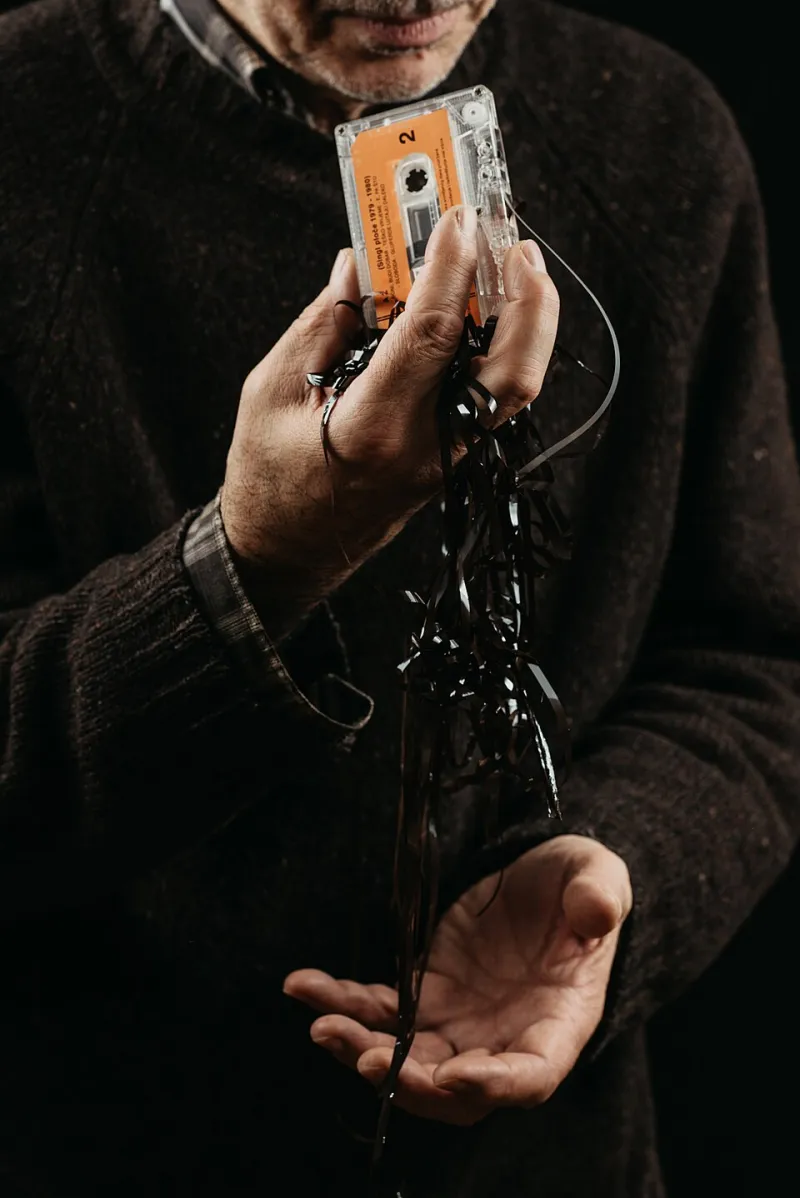
Photo: Shixart1985, CC BY 2.0, via Wikimedia Commons
You know the letdown. The J-card has a careful track list, a little heart, maybe a date and a name. You slide the tape in, press play, and out comes a church sermon, a ballgame, or forty minutes of somebody's roommate practicing scales. The label says one thing; the tape says another. For collectors, that moment is usually played for laughs or filed under bad luck. It shouldn't be. A mismatched mixtape is a small puzzle with three possible endings: dud, mystery, or the start of a better story. The trick is knowing which one you're holding before you decide to keep it, re-label it, or send it back to the wild.
First, assume nothing
A cassette is a container, not a promise. Shells got reused. J-cards got flipped, trimmed, or slipped into the wrong case. A tape labeled 'Summer Drive 1994' may have been the only blank in the house on the night somebody needed to record a radio special. Estate lots make it worse: cases get separated from shells, and helpful relatives combine whatever looks similar. Most mismatches are not malicious. They are the residue of home dubbing, which was cheap, casual, and rarely cataloged.
That is why the first rule is simple: the label is a claim, the tape is evidence. Treat the J-card as a lead, not a fact. The shell markings, the handwriting, the tape length, and the actual audio all get a vote.
Audition before you archive
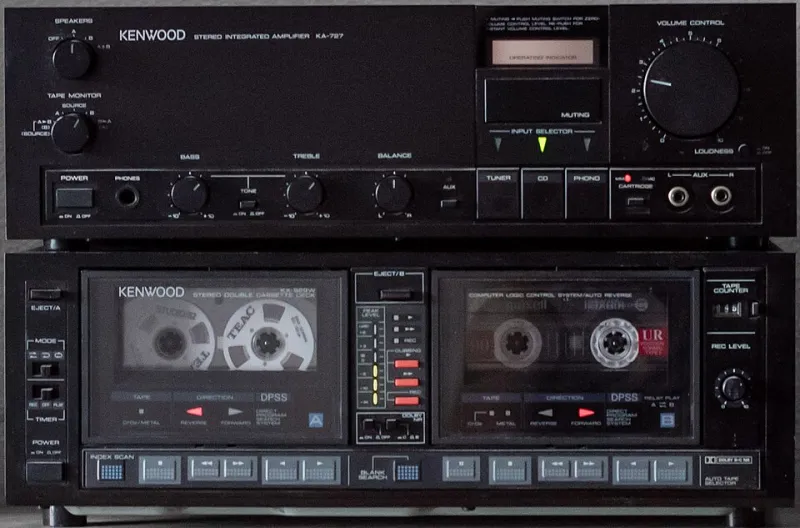
Use a deck you trust. Clean the heads and pinch roller if you know how, or at least start with a machine that has been behaving. Put the tape in, press play, and let it run from the beginning. Do not fast-forward first. You want to hear the leader, the first few seconds, and the room tone, because that is where the truth usually lives.
Listen for speed, wow and flutter, channel dropouts, and sudden shifts in noise. Note whether the tape is mono or stereo, and whether it sounds like a home dub, a radio capture, or something copied from a commercial release. Make a rough map: timestamp, what you hear, and how it sounds. '0:00 room noise, 0:45 male voice, 2:10 piano, 8:30 cut' is enough. You are not writing a dissertation. You are building a case file.
If the tape sounds slow, wobbly, or mechanically unhealthy, stop. A mismatched tape is not worth ruining a good deck or a fragile shell. Set it aside for a technician or a spare machine you trust with questionable media.
Document the gap
Take photos of the J-card, the shell, the pressure pad, and any handwriting. Write down where you got it and what the seller or label claimed. Then write a short provenance note: what the label promised, what the tape delivered, and what you actually heard. Keep it with the tape, either in a sleeve or in a note on your phone. If you later re-label the tape, keep the original J-card. The mismatch is part of the object now.
This sounds fussy until you have forty tapes and cannot remember which 'mix' is the one with the answer-machine message on side B. A little documentation turns a confusing tape into a usable one.
The three-way decision
After the audition, sort the tape into one of three buckets.
Dud. The audio is unplayable, the content is generic, and the shell is damaged. This is the rare tape that can go to the parts bin or the recycling pile. Even then, check the J-card. Handwriting has value to somebody.
Mystery. The audio is good, but the identity is unknown. Keep it. Do not erase it. A mystery tape with a clean signal is a research project, not a blank. Ask local collectors, post a short clip with permission, or compare handwriting against other tapes in the same lot.
Better story. The content has personal, local, or historical value, or the mismatch itself is interesting. Keep it, and label it honestly. 'Found audio, label unknown' is a perfectly good title. You are not restoring a commercial release. You are preserving a found object.
One hard rule: never dub over a unique recording. A blank is cheap. A found tape is not. If you need a working cassette, buy a new old stock blank or use a known disposable. Do not sacrifice the only copy of somebody's grandmother telling a recipe to side B of a tape labeled 'Party Mix.'
When the mismatch is the point
Some collectors chase mismatches on purpose. A J-card that says 'Road Trip' and a shell that contains a family argument is not a failure of labeling. It is accidental folk art. The gap between the promise and the recording tells you something about how people actually used tapes: quickly, privately, and without much respect for the archive.
If you decide to re-label, use a removable slip and note the original title. Do not throw away the old J-card. The mismatch is the provenance. It is the reason the tape is interesting.
A field note template
Promise: what the J-card says.
Reality: what the tape actually contains.
Condition: speed, dropouts, shell damage, pressure pad.
Keep, dub, or pass: your call.
Reason: one sentence. 'Unique family audio' or 'generic radio dub, damaged shell.'
Next step: clean, research, re-house, or return to the bin.
The label lied. That is not always a loss. Sometimes it is the first sentence of a better story.