Put the Deck Where the Guests Can See It: The Case for Tape as Living-Room Furniture in 2026
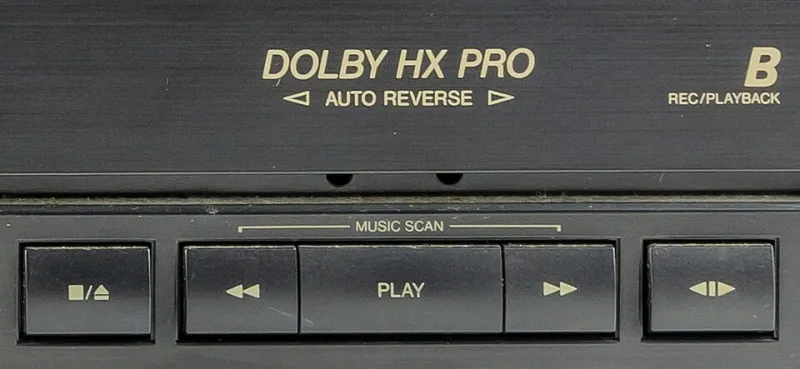
Photo: Raimond Spekking, CC BY-SA 4.0, via Wikimedia Commons
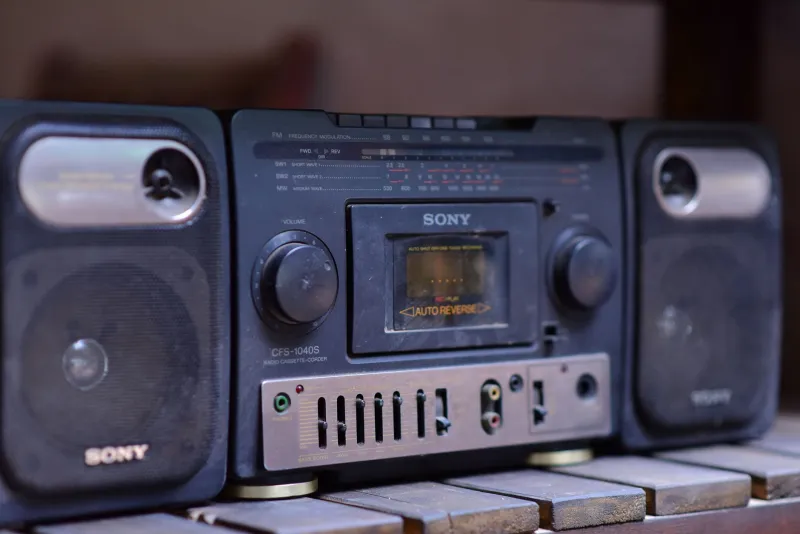
There is a moment in a lot of American homes when the stereo stops being furniture and becomes plumbing. The receiver goes in a cabinet. The speakers disappear into the wall. Music becomes something the house does automatically, like hot water. It is convenient, and it is a little sad. In 2026, tape decks are creeping back into the open. Not as museum pieces under glass, and not always as the center of a rack, but as visible objects on a credenza, a bookshelf, or a low sideboard. That is the right move. A deck you can see changes the room.
The living room was never meant to be invisible
A stereo used to be something you walked up to. You touched it. You chose a record or a tape, set a level, and watched the thing work. The cassette deck made that ritual especially physical: press a door, drop the tape, close it, press play, watch the meters. There was a small pause before the music started, and that pause was useful. It gave everyone in the room a chance to decide to listen.
Somewhere along the way, we optimized that pause out of existence. Streaming is wonderful, but it is also frictionless to the point of being forgettable. You can summon anything, so you often summon nothing in particular. A visible tape deck pushes back. It says: here is the music that is in this room, and here is the side we are going to hear.
A deck on the shelf is a social object
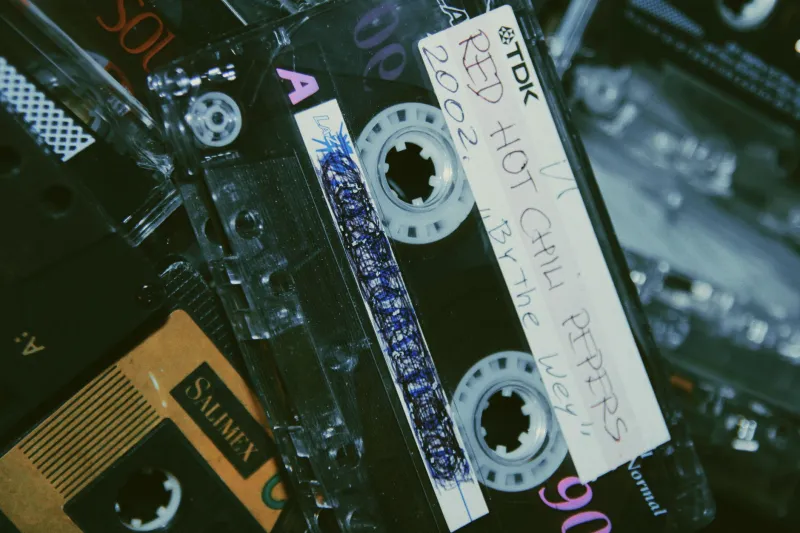
Put a cassette deck at eye level and guests will ask about it. Not because they are gear nerds, necessarily, but because it looks like it wants to be used. A stack of tapes nearby gives them a job. They can pick one up, read the J-card, and ask what it is. That is a better party conversation than another round of 'what are you watching lately.'
The deck also gives the host a way to shape the evening without becoming a DJ. You do not need a playlist that runs for four hours. You need one side of a tape, and then maybe another. The format has a built-in intermission. Flipping the side is a physical cue that the room is moving on. People notice. It gives the night a shape.
The case for keeping it reachable
This is not an argument for stacking tapes on top of the deck or turning the living room into a repair bench. It is an argument for access. A deck behind a cabinet door is a deck that gets used twice a year. A deck on the shelf, with a little breathing room, gets used on a Tuesday.
There are practical limits. Keep it out of direct sun. Give it ventilation. Do not put it on top of a hot receiver or a speaker that vibrates. Keep the tapes in a box or a small shelf, not in a pile on the floor. If you have kids or pets, use a deck with a door that closes and keep the good tapes higher up. None of this is complicated. It is just furniture logic.
What the meters do for a room
The meters are the underrated part. They are not just diagnostics. They are a small piece of theater. Watching the needles or LEDs move tells everyone that the music is passing through a machine, not falling out of the air. It makes the recording feel like an event. When a tape runs out, the room hears the clunk. That sound is not a flaw. It is a cue.
This is why the 'invisible' stereo never quite replaced the old setup for me. A hidden system is efficient. A visible deck is hospitable. It invites people to lean in, ask a question, and stay for one more side.
Not a shrine, not a lecture
The fastest way to ruin this is to turn the deck into a sermon. Nobody wants to come over for a lecture on azimuth alignment. The point is not to prove that tape is superior to everything else. The point is to make the room feel less automatic. Keep the explanation short. 'This is a mixtape a friend made in 1998' is enough. Let the music do the rest.
A visible deck also makes the collection feel human. A shelf of twenty tapes is more inviting than a hard drive with forty thousand files. Scarcity is not a problem here. It is the whole charm. You cannot play everything, so you play something.
The room tells you what it wants
In 2026, a lot of homes are trying to feel less like a control center and more like a place where people actually sit. The tape deck fits that mood. It is tactile, a little fussy, and deeply social. Put it where the guests can see it. Keep a few tapes within reach. Let somebody flip the side. The living room will do the rest.