The Side-Break Doctrine: Seven Rules for Sequencing a Cassette That Breathes
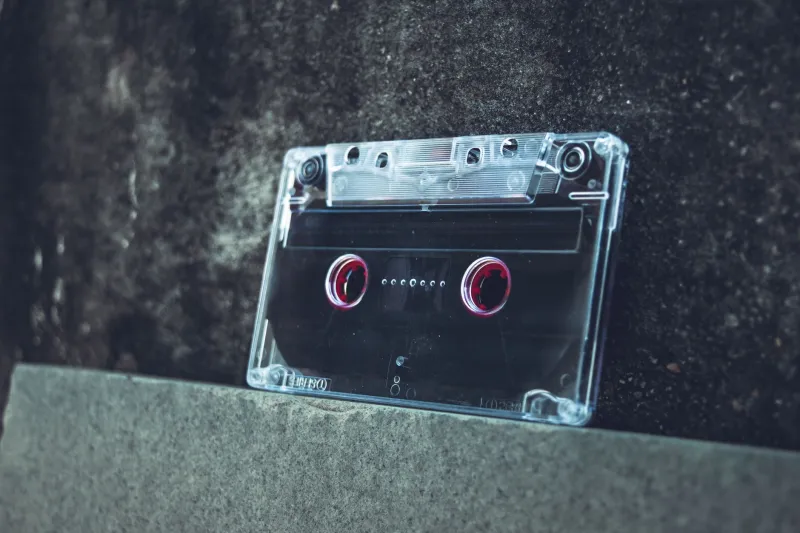
A mixtape lives or dies on sequence. You can have the best songs in the world, but if the order is wrong, the tape feels like a pile of tracks instead of a ride. Streaming playlists encourage us to shuffle, skip, and reorder. A cassette does not. Once you hit record and write the J-card, the sequence is the sequence. That is the constraint that makes it art.
Here are seven rules for building a cassette that flows. They are not laws. They are habits borrowed from analog DJs, radio programmers, and collectors who have flipped more tapes than they can count.
Rule 1: Open With a Door, Not a Trophy
The first track is an invitation, not a victory lap. Do not put your biggest song at track one. Put a song that establishes the room. It should be confident but not overwhelming—something in the three-to-four-minute range with a clear groove or a strong opening line. The trophy goes later, when the listener has earned it.
A good opener says: stay a while. A bad opener says: aren't you impressed? The second one gets skipped in a playlist and resented on a tape.
Rule 2: Treat Side A and Side B as Different Rooms
A cassette has a built-in intermission. Use it. Side A should feel like the first set: it sets up the mood, introduces the themes, and builds a little momentum. Side B is the second room—maybe it is darker, maybe it is looser, maybe it is the after-hours version of the same party. Do not split a single mood across the break. Let the flip mean something.
If side A is Saturday afternoon, side B can be Saturday night. If side A is the drive to the party, side B is the drive home. The contrast is what makes the tape feel designed rather than dumped.
Rule 3: Respect the Side Break as a Cliffhanger
The last song on side A is not the end. It is the pause before the end. You want to leave a little tension there—a song that ends on an unresolved chord, a short instrumental, a track that fades out rather than slams shut. When the listener flips the tape, they should feel like they are returning to something, not starting over.
This is where analog DJ wisdom comes in. A good DJ does not peak at the end of the set. They peak, then pull back, then let the crowd wait. The side break is your built-in pullback. Use it.
Rule 4: Build Valleys, Not Just Peaks
Sequencing is not a sprint. If every track is a banger, the tape becomes exhausting. Place a slower or quieter track after two upbeat ones. Let the energy drop. The valley makes the next peak feel taller. This is obvious in theory and rare in practice, because most people sequence by excitement instead of dynamics.
Map the tape on paper before you record. Mark the fast songs, the slow songs, the mid-tempo workhorses. If you see three peaks in a row, move one. The tape will breathe better.
Rule 5: Sequence by Texture and Key, Not Genre
Genre labels are for record stores. On a cassette, flow comes from texture: acoustic to electric, dry to wet, sparse to dense. A folk song can follow a synth track if the textures align. A punk song can follow a soul ballad if the key change lifts instead of jars.
Key changes matter more than most people admit. A jump up a perfect fourth or fifth feels like a lift. A jump up a semitone feels like drama. A jump down a third feels like a sigh. You do not need to be a music theorist to hear it. You just need to listen to the transition and trust your gut.
Rule 6: Put the Weird Track at Track Four or Five
Every tape needs one left turn—a song that does not quite fit but somehow makes the whole thing better. Do not put it first. It will scare people off. Do not put it last. It will leave the tape unresolved. Track four or five is the sweet spot. By then, the listener trusts you. They have settled in. A strange instrumental or a left-field cover lands as a surprise instead of a warning.
Collectors call this the deep cut slot. It is the song people ask about after the tape ends. If you hide it too early, they never get there. If you hide it too late, they are already thinking about flipping the tape.
Rule 7: End Side B With a Fade or Hiss, Not a Banger
The final impression is the run-out groove. A fade-out, a quiet acoustic number, or even ten seconds of tape hiss gives closure. Do not end with the biggest hit. That feels like a fireworks finale in a living room. End with a door closing, not a door slamming.
The hiss at the end of a cassette is not dead air. It is the sound of the tape still running. It tells the listener that the experience is over but the artifact remains. A good closing track respects that.
The Test Is the Full Listen
Once you have sequenced your tape, listen to it all the way through without skipping. Flip it at the break. Do not fast-forward. If you feel the urge to skip, the sequence needs work. If you forget you are listening to a sequence, you have done it right.
A mixtape that flows feels inevitable. It feels like the songs were always meant to be in that order, even if you spent three hours moving tracks around. That is the goal: not a perfect playlist, but a tape that breathes from the first click to the final hiss.