Side A Is a Question: Turning Inherited Mixtapes Into Family Oral History
Photo: Unknown, Public domain, via Wikimedia Commons
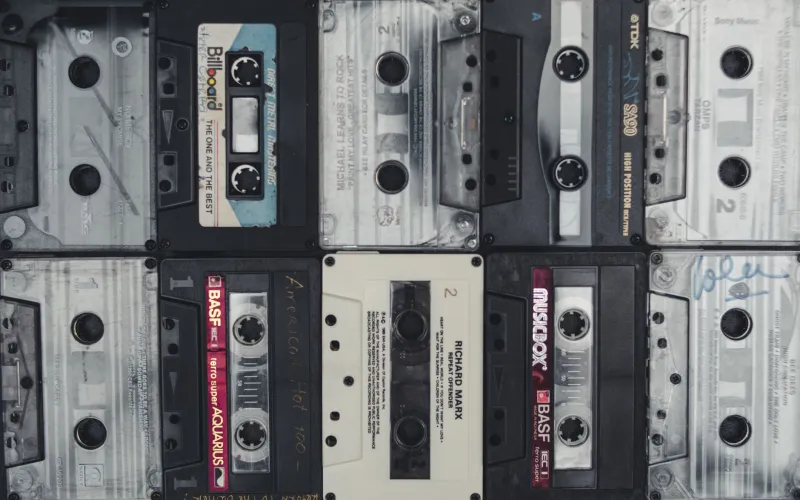
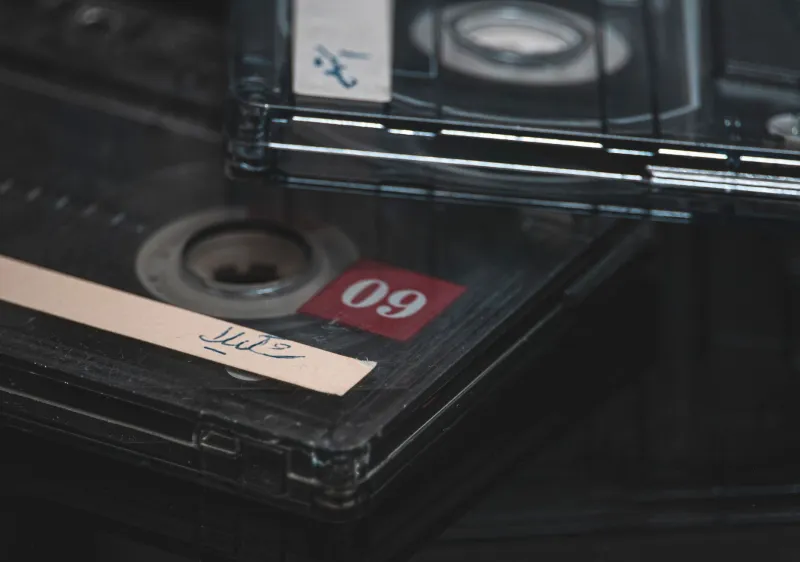
Nobody hands you a box of tapes with a manual. You inherit a shoebox, a milk crate, sometimes a whole closet shelf, and inside are cassettes in handwriting you half-recognize: for the car, summer, a first name and nothing else. Most people do one of two things — bin them, or digitize them and let the files sit untouched in a folder called TAPES1.
There's a third option, and it's the one worth the effort: treat each tape as an interview waiting to happen. The music is only half the archive. The other half lives in the head of the person who made it, and that part isn't backed up anywhere.
The Tape Is a Prompt, Not the Artifact
A mixtape is a series of decisions. Why that song second? Why two tracks from the same record in a row? What got cut off mid-verse because the side ran out of room? Those choices are tiny windows into a specific month of a specific person's life, and almost none of that context survives on the label.
So before you touch a deck, decide what you're actually collecting. For most families, the goal isn't a pristine restoration. It's a recording of somebody talking about their own past while a song they chose forty years ago plays in the background. The tape cues the memory; the memory is the asset.
Prep Work That Saves the Session
Do the boring stuff first so the conversation doesn't stall.
- Identify the tapes you can. Play each one for sixty seconds on a known-good deck. Note the shell color, the handwriting, the approximate era, and whether it plays at all. Skip anything that squeals or drags — that's a different project.
- Order them by curiosity, not chronology. Start with the tape you have the most questions about. Enthusiasm carries a session further than a tidy timeline.
- Give your relative a heads-up, not a homework assignment. "I found a box of your old tapes, can I bring a couple over and hit record while you talk about them?" is enough. Don't ask them to prepare stories; the tape does that job.
- Check the room. A kitchen table with a soft-furnished wall behind it beats a bare living room with hardwood and high ceilings. Phones on airplane mode. Fridge off if it hums.
The Gear (Keep It Embarrassingly Simple)
You do not need a studio. You need two things that both work: a cassette deck that plays at stable speed, and a recorder that captures clean speech.
For the deck, a mid-tier 1990s single-well unit with a headphone jack and adjustable output is plenty. Clean the heads and pinch roller before the session — a cotton swab and isopropyl alcohol, twenty minutes, done. Run the deck's line output into whatever you're recording with, or just let the cassette play through a small speaker and pick up the room with a single microphone. Honestly? The second option often sounds warmer and keeps everyone relaxed, because nobody has to sit in silence with headphones on.
For capture, a phone with a decent voice-memo app is fine as a backup, but a dedicated recorder or a USB interface into a laptop will give you a cleaner file and simpler levels. Aim for peaks around -12 dB. Speech is dynamic; leave headroom. Record at 24-bit if the option exists. Store the raw file before you edit anything.
What to Actually Ask
Skip "tell me about your childhood." Too big. Ask about objects, and let the tape be the object.
- "Who made this one? Was it you or somebody else?"
- "Where were you living when you taped this?"
- "Who was this for? Did they ever hear it?"
- "Was this copied off the radio, or from records?"
- "What's the song you always skipped? Why?"
- "Who's the person you think of when this plays?"
- "Did you ever make one of these for somebody who didn't make one back?"
Then stop talking. The single most common mistake in family interviews is filling silence. Count to five before you rescue a pause. People often need the pause to decide whether they're going to say the real thing.
Play thirty to sixty seconds of a track, then pause the tape and ask. Repeat. A two-hour session will comfortably cover three or four cassettes.
Consent, Editing, and the Awkward Stuff
Ask permission on the recording, at the top: name, date, and "is it okay if I share this with the family?" If a story turns sensitive — a divorce, a falling-out, a person who's died — offer a simple off-ramp: "We can stop, or I can keep this one for us." Then honor it. Keep a note of which segments are private.
Light editing is fine: trim the setup chatter, level the volume, and add a spoken slate at the top of each file. Don't scrub out hesitations or laughter. Those are the parts that make it a document instead of a transcript.
Preserving Both Halves
Digitize the tape once, properly. Capture to WAV at the highest rate your interface allows, one file per side, named with the family surname, the maker's initials, and the date if you know it. Keep the physical cassette — it's the original object, and its handwriting is part of the record. Store tapes upright, away from heat, out of the car, and rewind them before shelving so they don't sit wound tight for years.
Then marry the two archives. Put the audio interview and the digitized side in the same folder, with a plain text file listing who was present, what was played, and the date of the session. Back it up in two places, one of them off-site. Email a copy to a cousin. The whole point of a family archive is that it circulates.
Start with one tape. One relative. One sitting at the kitchen table. The box will still be there afterward, and now it'll have a voice attached.