Sealed and Unsettled: A Tape Hunter’s Guide to Estate-Sale Blanks
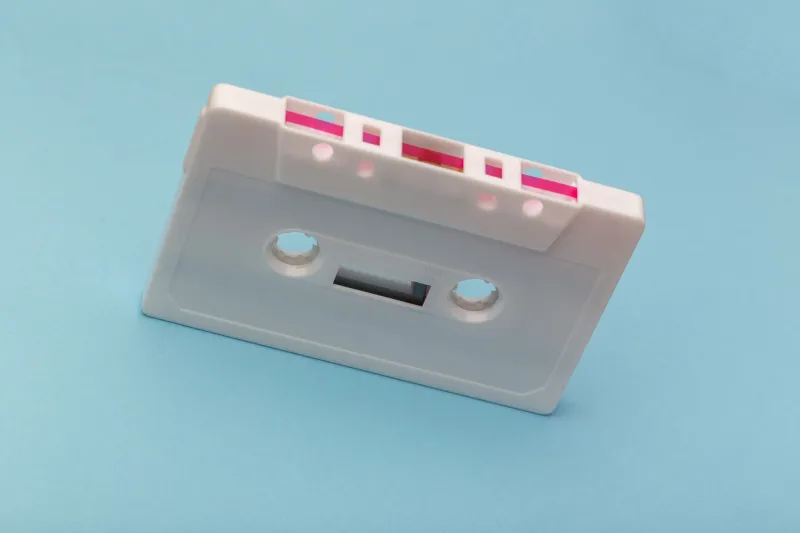
There is a specific kind of estate-sale thrill that only tape people understand: you spot a shoebox under a folding table, lift the lid, and find a brick of blank cassettes still wrapped in shrink film. The price sticker says something absurd like $3 for the lot. For a second, you are convinced you have found the dead-stock jackpot.
Then the collector’s dilemma kicks in. Open the shrink-wrap and risk a dried-out dud, a snapped leader, or a tape that sheds oxide all over your deck. Leave it sealed and you preserve a small piece of retail history, but you will never know what it would have recorded. In 2026, that tension is the whole game with estate-sale blanks.
Why Sealed Blanks Keep Turning Up
Most of these tapes were not bought by collectors. They were bought by people who meant to make mixtapes, record family gatherings, or stock a drawer for later. Then the drawer stayed shut. When an estate sale company tags a garage shelf or a church rummage crew empties a closet, those forgotten multipacks come back into the light.
The supply is finite, but it is not rare yet. You will still see sealed bricks of familiar brands at sales in older suburbs, especially in boxes marked “office supplies” or “misc.” The trick is separating genuine dead stock from tapes that were stored badly, priced like museum pieces, or left in a hot attic long enough to turn the shrink-wrap brittle.
The Brands and Lengths Worth Grabbing
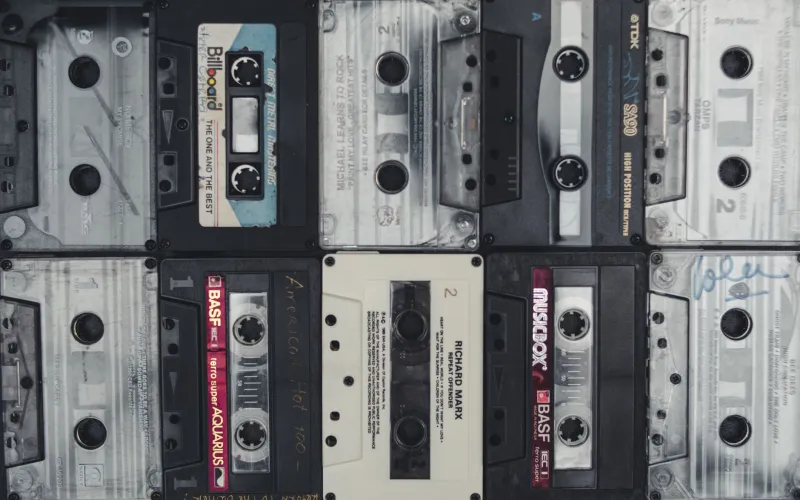
A sealed tape is not automatically a good tape. In the US, the names that usually reward a second look include Maxell, TDK, Sony, BASF, Denon, Fuji, and Scotch. Type II high-bias tapes such as Maxell XLII, TDK SA, and Sony UX are often the sweet spot for mixtape work. Basic Type I tapes can still be useful for voice demos, radio dubs, or low-stakes experiments, but do not pay collector money for a no-name brick.
Length matters more than many buyers think. Sixty- and ninety-minute tapes are the practical standards. A C-60 is sturdy and easy to sequence. A C-90 gives you room but uses thinner tape. Anything over 100 minutes, especially C-120, is a higher-risk purchase because the tape stock is thin and more prone to stretching or jamming in older decks.
Multi-packs are usually the best value. A sealed three-pack of a known brand is easier to evaluate than a single loose tape with a faded price tag. But do not ignore singles if the brand is right and the case looks clean.
Reading the Wrapper and the Case
Shrink-wrap can hide a lot. Before you hand over cash, turn the package over. Look for cracks in the plastic case, warped edges, rust around the screws, water stains on the J-card, or a fuzzy white bloom that suggests mold. A little shelf wear is normal. A case that feels sticky or smells like a damp basement is not.
Check the wrapper itself. Brittle, yellowed film is not an automatic dealbreaker, but it is a clue about storage. If the tape sat in a hot garage for decades, the pressure pad and leader may be tired even though the shell looks new. Price stickers can also tell a story. A Kmart or RadioShack tag from the 1980s is charming, but it does not prove the tape was kept cool and dry.
One more thing: do not assume sealed means unopened by a previous collector. Some sellers reseal tapes with cheap shrink film. If the wrap looks too tight, too glossy, or has a sloppy seam, be suspicious.
The Dried-Out Leader Problem
Sealed tape is not fresh tape. The leader can dry out, the adhesive can weaken, and the first few inches can become brittle. That is true even for a package that has never been opened.
When you do open a vintage blank, inspect the leader before you thread it into a deck. If it looks stiff, discolored, or curled, do not force it. You can often trim the first inch or two and reattach the leader to the hub, but that is a bench project, not a parking-lot fix. If the tape squeals or sheds immediately, stop. A cheap test deck is your friend here, not your prized three-head machine.
How to Test a Blank Without Ruining It
If the goal is to use the tape, open it. There is no honest way to test a sealed cassette without breaking the seal. But you can reduce the risk. Let the tape sit at room temperature for a day or two before running it. Use a deck you trust, with clean heads and a fresh pinch roller. Fast-forward and rewind the whole tape once before recording. Listen for scraping, squealing, or uneven speed.
For a functional test, record a few minutes of silence or low-level room tone, then play it back. You are not looking for audiophile perfection. You are checking whether the tape moves smoothly, whether the channels are balanced, and whether the deck leaves any residue behind. If it passes, label it and put it to work.
The Open-or-Keep Decision
This is the part no field guide can settle for you. A sealed tape is an artifact. An opened tape is a tool. If you found a common late-1980s Maxell brick, open it and make something. That is what it was made for. If you found a strange color shell, a store-brand oddity, or a package with beautiful J-card art, maybe keep one sealed as a shelf piece.
A practical compromise: buy the lot, keep one sealed, and open the rest. That way you get the display object and the working stock. Just do not fool yourself into thinking every sealed tape is an investment. Most are not. They are just small, useful time capsules with a price tag from another era.
A Realistic Estate-Sale Game Plan
Bring small bills and a soft bag. Ask the estate-sale staff where the garage or basement boxes are, because tapes rarely live in the nice rooms. At church rummage sales, look behind the paperback table and near the holiday bins. At garage sales, do not be afraid to buy a whole box if the price is fair and the brands are decent.
And keep your expectations calibrated. The dead-stock jackpot is real, but it is not usually a sealed brick of holy grails. It is a $4 box of C-60s that still work, a few Type II tapes with clean cases, and one oddball package you keep sealed because it looks good on the shelf. In 2026, that is a pretty good day.