The Pre-Holiday Cassette Triage: Play, Dub, or Pass It On
There is a particular kind of November afternoon that feels made for this job: gray light, a hot drink, and a drawer full of cassettes that has quietly become a junk box. You know the one. It started as a tidy row of favorites, then absorbed thrift-store finds, duplicate dubs, half-labeled blanks, and a few tapes you meant to play “sometime.” Before the holiday rush turns every free Saturday into errands and travel, give the drawer a proper audit. Not a purge for its own sake—more like a seasonal reset that makes the collection easier to use and a little less acquisitive.
At Makarateyp, we tend to think of a tape collection less as an archive and more as a listening queue. A queue needs movement. A drawer that only takes in new tapes and never sends any out is just storage with extra steps. The November audit is a way to keep the whole thing honest.
Start With a Blank Surface
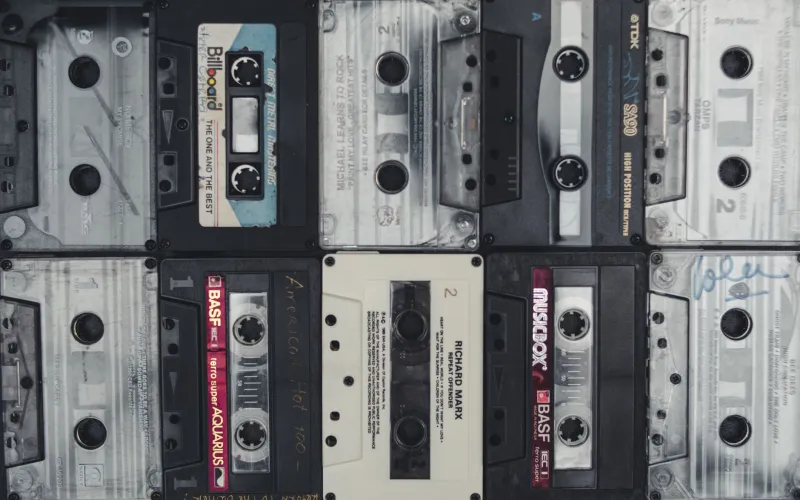
Pick a table, a bed, or a clean patch of floor. Empty the drawer completely. This matters. Sorting inside the drawer just shuffles the same confusion around. Seeing every tape at once gives you a real inventory: the inherited mixtapes, the concert dubs, the store-bought albums, the mystery blanks, and the duplicates you forgot you owned.
Wipe out the drawer while it is empty. A dry microfiber cloth is enough. Skip anything wet or solvent-heavy around paper J-cards and labels. Let the drawer air out while you work; cassette shells and cases can hold a faint musty smell if they have been closed up for months.
The Three-Pile Triage
Make three piles, and be ruthless about what each one means.
- Keep: tapes you actually play, tapes with real personal value, and tapes that are part of a deliberate collection.
- Test: unknowns, unlabeled blanks, mystery dubs, and anything you cannot remember playing in the past year.
- Out: duplicates with no unique audio, damaged shells, moldy tapes, and duds you have been meaning to move along for ages.
Do not turn this into a nostalgia session. The point is not to play every tape start to finish. The point is to make a decision about each one. If a tape stalls the process for more than a minute, it goes in the test pile.
Play-Test the Unknowns
Use a deck you trust, or at least one you know well. Start with a quick physical check: cracked shell, loose labels, a pressure pad that has fallen off, tape that looks wavy or stained. If the tape is visibly moldy, quarantine it and do not run it through a good deck. Mold spreads, and it is not worth the risk.
For the rest, give each unknown a short audition. Listen to the first minute of side A, then spot-check the middle and the end. You are listening for three things: what is actually on the tape, whether the audio is worth keeping, and whether the tape is stable enough to play again. A little hiss is fine. A squeal, a stuck reel, or a sudden drop in speed is a sign to stop.
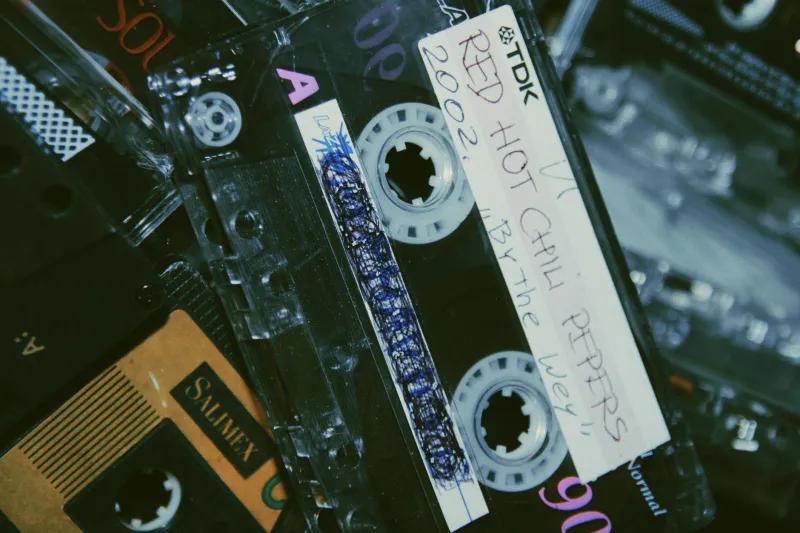
Label what you learn. Even a pencil note on the J-card is better than another year of guessing. “Live radio, 1998” or “cousin’s band practice” is enough to move a tape out of the mystery pile.
Dubbing the Keepers
Here is where the audit earns its keep. If a test-pile tape has unique audio you want to preserve, dub it now rather than later. Use a clean deck, a decent blank, and conservative levels. You are not trying to make a loud tape; you are trying to make a tape that plays back well on a range of machines.
For general compatibility, a normal-bias Type I cassette is the safe choice. Clean the heads and capstan before a dubbing session, set levels with a little headroom, and let the tape run without interruption. Label both sides clearly: source, date, and track list. If you are making a keeper comp, sequence it with side breaks in mind. A cassette that breathes is more likely to get played than one crammed to the final seconds.
Keep the original if it has personal value, even when you make a dub. The dub is for daily use; the original can stay as the reference copy.
The Letting-Go Pile
This is the part that separates an audit from a hoard. Duplicates with no unique audio can go. Damaged tapes can go. Blanks full of outdated computer data or half-finished recordings you will never use can go. Be honest about the difference between “rare” and “unplayed.”
The out pile does not have to mean the trash. Local record stores sometimes take cassettes, especially sealed blanks and unusual titles. Thrift stores are hit or miss, but they are an option. Buy Nothing groups and local cassette swaps are better for moving a box of decent tapes to someone who will actually use them. If you are trading by mail, USPS Media Mail is a practical choice for cassettes because sound recordings qualify; pack them well, keep the receipt, and do not expect overnight speed.
A Simple Checklist for Storage, Labels, and Trades
- Storage: Keep tapes upright, away from heat, sunlight, and magnets. Avoid attics and garages. A closet shelf or a closed cabinet is better than a windowsill.
- Labeling: Put artist, title, source, and date on every J-card and shell. Use pencil or a fine permanent marker. Track lists save future you a lot of guessing.
- Cleaning: Wipe shells and cases with a dry cloth. Keep moldy tapes away from clean ones.
- Trades: For USPS Media Mail, use a padded envelope or small box, tape the closure, and mark the package clearly. Keep the receipt until the trade is confirmed.
- Donations: Call ahead to local shops and libraries. Ask what they actually accept before you load the car.
Why Bother Every Year?
A yearly audit does not make a collection bigger. It makes it more listenable. You end up with fewer mystery tapes, fewer duplicates, and more of the stuff you actually want to play. The drawer stops being a place where tapes go to disappear and becomes a place where they wait their turn.
That is the quiet philosophy behind the November ritual. Collecting is not the same as accumulating. A tape you cannot find, cannot identify, or never play is not really part of the collection—it is just weight. Spend one afternoon on the triage, dub the keepers, pass along the rest, and head into the holidays with a drawer that feels lighter and a listening queue that actually moves.