Postage-Due Love Letters: Inside the 2026 US Mixtape Swap Circuit

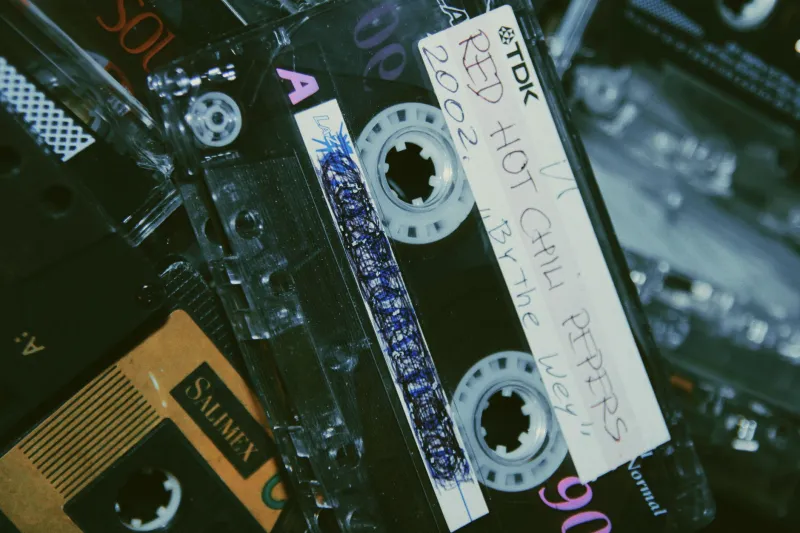
Photo by Photo by Austin on Unsplash on Unsplash
There's a particular sound a tape swap makes when it lands: a bubble mailer hitting a hardwood floor, slightly too heavy for its size. If you've been on the receiving end, you know it. If you haven't, the whole thing probably sounds like nostalgia with extra postage.
It isn't, really. The swap scene running across the US right now is less about reliving the 1980s and more about a specific dissatisfaction with how music moves in 2026 — instantly, frictionlessly, and with almost no trace that a person chose it for you.
What the Circuit Actually Looks Like
There's no single organization. The scene is a loose mesh of small clubs, forum and group-chat spin-offs, zine-adjacent mailing lists, and straight-up pen-pal arrangements that started with a comment thread and turned into a decade of envelopes. Some run fixed quarterly cycles with a sign-up deadline and a matched partner. Others are chains: you get a tape, you make one for the next name on the list, and the list slowly migrates around the country.
Sizes vary wildly. A club might be eight people in one metro area trading in person at a bar once a month and mailing the rest. Another might be sixty people spread from Portland, Maine, to Portland, Oregon, matched blind, mailing cold.
What they share is a format: one tape, one recipient, one deadline, no digital deliverables.
The Rules Nobody Wrote Down (But Everybody Follows)
Spend an hour reading swap threads and a consensus emerges, oddly consistent from group to group.
One C-side minimum. Most swaps want 45 to 60 minutes of music, split sensibly across two sides. Ninety-minute tapes are common; 120s are considered a flex, sometimes a rude one, because not everyone's deck handles thin C-120 stock.
No tracklist on the outside. The J-card gets the titles. The envelope doesn't. Half the pleasure is going in blind.
Sequence like you mean it. Shuffle is fine; indifference isn't. People notice when side B was clearly assembled at 11 p.m. before the post office run.
Include a note. A short handwritten card — who you are, where you live, why these songs — is treated as mandatory in most clubs. Some swap groups will gently bounce a package that arrives with no letter.
Don't digitize without asking. This one surprises newcomers. Plenty of swappers are fine with it; plenty aren't. The tape is the gift, and a rip floating in a group chat changes what the gift is.
The one-skip rule. You can skip a track. You can't skip three in a row and then complain. Take the tape as a whole or don't sign up.
Reciprocity is the whole engine. If you receive and never send, you're out. Not dramatically — you just stop getting matched.
Packaging, or: How Not to Ship a Heartbreak
Cassettes are fragile in a specific, annoying way: the shells crack, the pressure pads flatten, and a mailer that gets run over by a sorting machine will end the whole enterprise. The scene has converged on a few tricks.
- Rigid insert. A piece of corrugated cardboard cut to the mailer's width, taped to both faces of the case, stops most bending.
- Case in, case out. Ship in a real Norelco-style case, not a slimline. Slims shatter.
- Two mailers, nested. Cheap bubble mailer inside a slightly larger one is the standard move and costs almost nothing extra.
- Label it. "Do Not Bend" and "Fragile: Audio Cassette" printed clearly. Handwriting it in marker is fine and arguably better.
- Tape the case shut. A small strip of painter's tape keeps the shell from popping open in transit. It peels off clean.
- Return address, legible, both sides. Obvious until you're the one holding an unreadable envelope with someone's labor inside.
On postage: cassettes qualify as sound recordings, so Media Mail is technically permitted in most cases — but a package containing stickers, a zine, or a patch can disqualify it, and the savings over Ground Advantage are usually a dollar or two. Most experienced swappers just pay the difference and stop worrying.
Why the Envelope Still Wins
Here's the argument, and it's simpler than the romance suggests. A playlist link is a recommendation. A tape is a commitment. Somebody bought or dubbed the stock, sat with the sequencing, wrote the card, stood in line, and spent money to make you listen to a thing they could have texted you in four seconds.
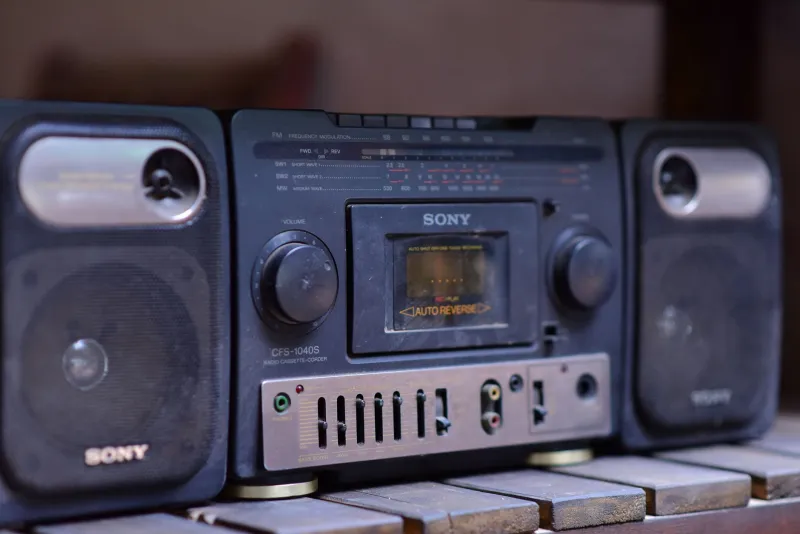
That friction is the point. A shared playlist arrives in a stream of forty other shared playlists and gets half-listened to on a commute. A tape arrives alone, in an envelope, with your name on it, and it demands that you find a deck and sit still for forty-five minutes. Scarcity, in this case, is manufactured on purpose — and it works.
There's also the accumulation. People who've been swapping for years don't describe their collections as libraries. They describe them as correspondence. The tapes are indexed by person, not by genre, and a shelf of them reads like a friendship that happened in slow motion.
Getting In
The barrier is lower than it looks. Find a swap that's currently open rather than starting your own cold — a first-time organizer with no reputation has a hard time recruiting, and the scene is small enough that patience beats hustle. Expect to send before you receive; most clubs run one probationary cycle. Own a deck that works, or be honest that you're dubbing from a walkman and keep your levels sane.
And write the card. Not a list of song titles — those are on the J-card. Write the part where you explain what you were going through when you made it. That's the thing people keep.