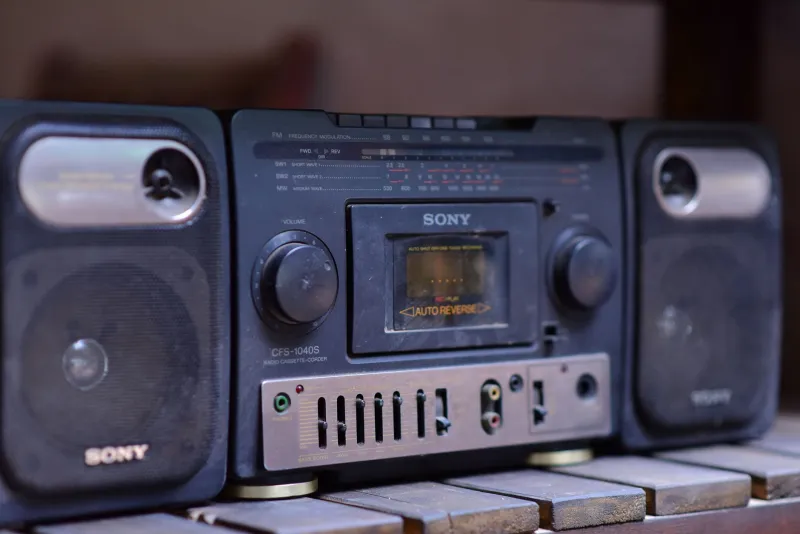
The Crossed-Out Chorus: Handwritten J-Cards as Accidental Folk Art
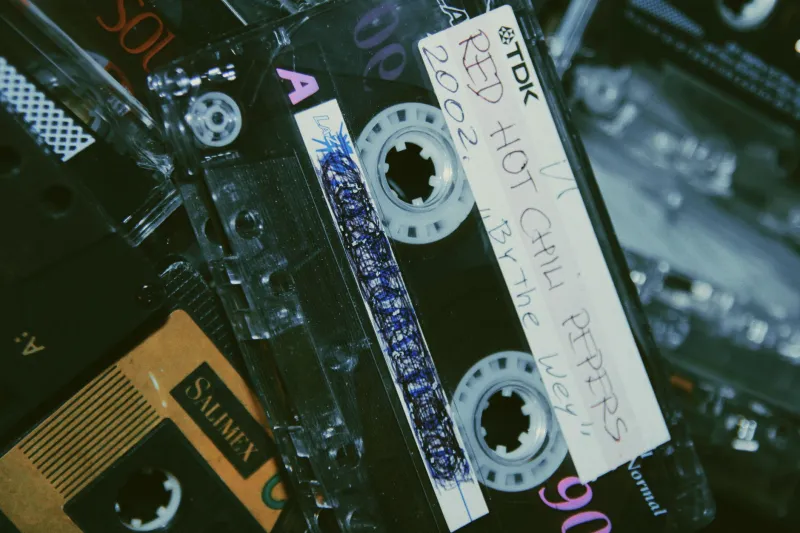
The first thing I do with a thrift-store tape is not play it. I read the J-card. Not the printed ones with the band photo and the tiny catalog number, though those have their own charm. I mean the handwritten ones: blue ballpoint on a blank insert, song titles squeezed into the spine, a phone number half scribbled in the corner. The tape may be terrible. The handwriting is almost always worth the dollar.
A Letter No One Meant to Send
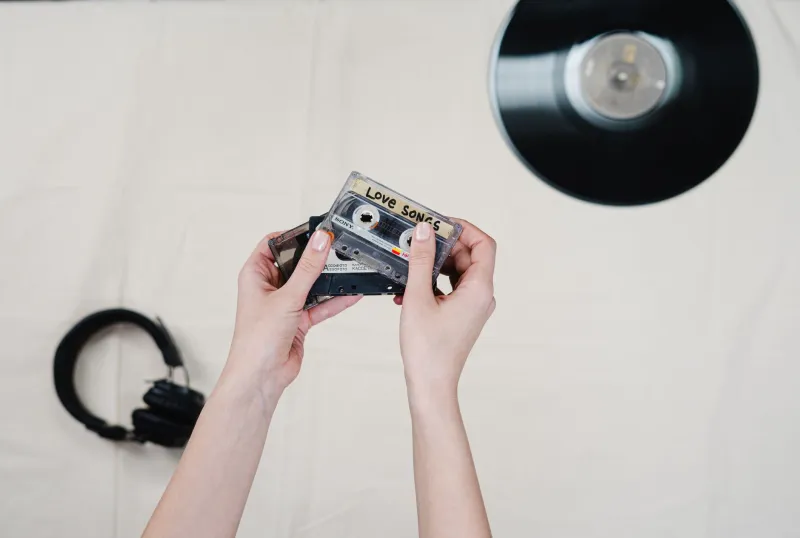
A mixtape J-card is a strange artifact. It was made to be useful, not preserved. Somebody sat at a kitchen table with a pen and a stack of cassettes and tried to fit a sequence of songs into a rectangle smaller than a postcard. They crossed out a title because the radio edit was wrong. They wrote “side B starts with the slow one” because they knew the listener would need a warning. They drew a heart, a skull, a band logo, or a little arrow pointing to track four.
Then the tape ended up in a box, then in a garage, then in a Goodwill bin, then in my hands. The person who made it probably never imagined a stranger reading their handwriting in 2026. That is what makes it feel like a letter no one meant to send.
The Corrections Are the Best Part
A clean tracklist tells you what someone wanted you to hear. A crossed-out tracklist tells you what they changed their mind about. That is where the personality lives. Maybe they realized the song was too long for the side. Maybe they decided the B-side needed a better opener. Maybe they misspelled the artist’s name and fixed it with a heavy black scribble. Maybe they wrote “DO NOT TAPE OVER” and then taped over it anyway.
I have found J-cards with grocery lists on the back, phone numbers with no area code, and a detailed diagram of which dashboard button was broken in the car where the tape was played. None of that is music. All of it is evidence.
The Folk Art of the Blank Insert
In 2026, collectors are starting to treat these J-cards as folk art rather than clutter. That makes sense. Folk art is not just quilts and carved birds. It is ordinary people solving a design problem with the materials they have. The blank cassette insert is a brutal canvas: a tiny front cover, a narrow spine, and a back panel with almost no room for error. There is no undo. There is no font menu. There is a pen, maybe a ruler, and whatever patience you have left after dubbing side A.
The results are imperfect in a way that feels honest. A professional album cover is designed to be reproduced. A handwritten J-card is designed to be read by one person in one car. When it survives, it becomes a little portrait of taste, budget, and geography. The band names tell you what was on the radio. The spelling tells you how old the writer might have been. The doodles tell you they were bored or in love or both.
The Ethics of Reading Someone Else’s Handwriting
There is a line between appreciating ephemera and turning somebody’s private note into content. I try to keep it simple: do not post full names, phone numbers, or addresses. If a tape is clearly a family artifact—a birthday dedication, a memorial mix, a tape labeled “for Grandma”—maybe leave it for someone who knows the family. Not every accidental time capsule needs to be opened on the internet.
The rest of it, though, is fair game for close reading. A J-card that says “for the drive home” is not a secret. It is a small, ordinary poem about wanting someone to have a good ride.
Why the Tape Is Only Half the Object
Collectors argue about tape formulations, deck calibration, and whether a Type II deserves a better shell. I care about that stuff too. But the J-card is the door. It is the part that tells you a human being was here, making choices with a limited amount of time and a limited amount of blank paper.
The audio might hiss. The pack might be loose. The pressure pad might be a little tired. None of that erases the handwriting. In an era of infinite playlists and algorithmic recommendations, a crossed-out chorus on a thrift-store insert feels almost radical. It is a reminder that a mixtape was never just a container for songs. It was a message with a runtime.