Dashboard Reels: The Case for a Working Car Tape Deck
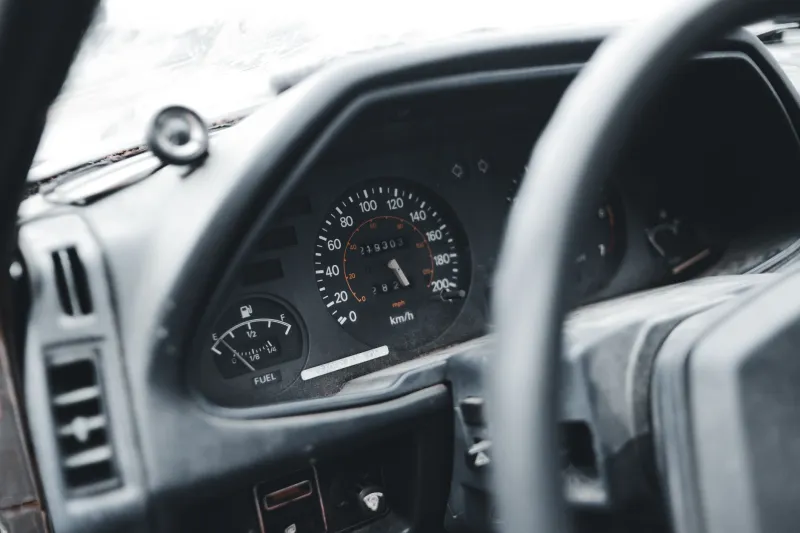
The car is the most underrated listening room in America. At home, you can skip, scroll, and let a recommendation engine steer the mood. On the highway, your hands are busy and the dashboard becomes a small stage. A working cassette deck turns that stage into a commitment. In 2026, when every phone can summon any song ever recorded, the car tape deck is not a relic. It is a different way to pay attention.
Why the dashboard counts
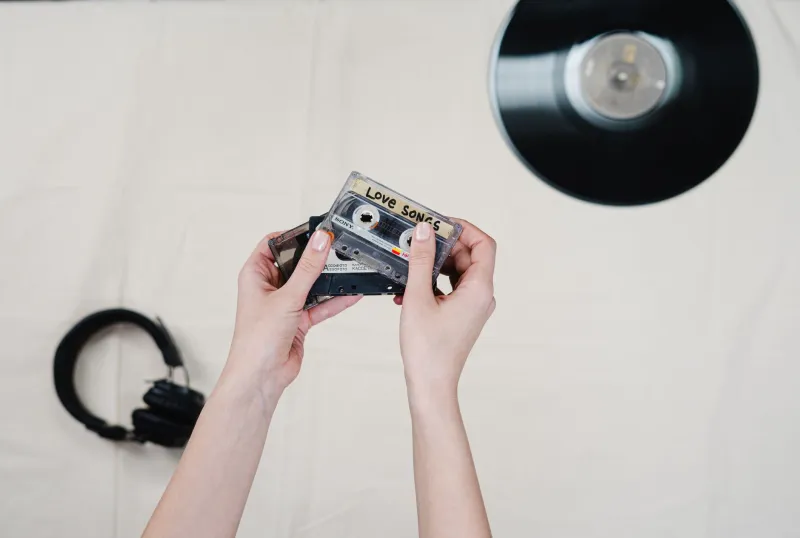
A cassette forces a side. It asks you to choose a sequence, load it, and live with it until the mechanism clicks off or you pull into a rest stop. Road noise becomes part of the mix. The glovebox holds a few tapes, not infinity. That scarcity is the feature. A good road-trip mixtape is an itinerary: opener, stretch, side break, nightfall. The car deck is where that itinerary becomes a physical ritual, complete with the clunk of the transport and the faint smell of warm plastic.
The revival checklist
Before you buy belts or start spraying contact cleaner, do a safe inspection.
- Test with a tape you can lose. Do not sacrifice a family recording to a deck with unknown habits.
- Clean the tape path. Use 90 percent isopropyl alcohol and cotton swabs on the heads, capstan, and pinch roller. Skip abrasive cleaning cassettes and low-concentration household alcohol.
- Check the belt. If the motor hums but the reels do not turn, or playback is slow and wobbly, the belt is suspect. Order a kit by model number, not by guess.
- Inspect the idler tire and gears. Slipping rewind and fast-forward often point to hardened rubber or cracked gears. Some parts are available new; some are 3D-printed by hobbyists.
- Lubricate sparingly. A pinhead of proper grease on the specified points is enough. WD-40 is not a repair.
- Check speed and azimuth only if you have a service manual or a patient tech. Random screw-turning makes things worse.
- Listen to both channels, test eject and auto-stop, and watch for tapes getting eaten.
Adapters are a bridge, not a finish line
Cassette-shaped aux adapters and Bluetooth cassette adapters can get digital audio into an old deck. They are useful for testing and for cars with otherwise dead mechanisms. They are not the same as a healthy transport. If the deck's amplifier and speakers are good, an adapter can sound decent; if the mechanism is grinding, fix it or bypass it. FM transmitters are another workaround, but in dense cities they are a static lottery. Use adapters to keep a car listening, not to pretend a broken deck is repaired.
Buying used without getting burned
Bring two tapes: one you know well and one blank. Test play, fast-forward, rewind, auto-stop, and eject. Listen for speed drift, wow, flutter, and channel dropouts. Look for chewed tape, a bent door, missing knobs, battery corrosion, or cut wiring. Ask whether the deck has been serviced and whether the model's service manual is available online. 'Untested' means 'assume it needs work.' That can be fine for a cheap parts deck, but do not pay working prices for a maybe.
Fit matters. A deck from a different dashboard may need brackets, wiring adapters, and patience. Original radios often have odd impedance and speaker setups. If you are not comfortable with car wiring, factor in professional installation. A great deck that does not fit your dash is a shelf queen.
In 2026, help is findable
Specialty repair shops still exist, forums trade service manuals, and small makers sell belts, tires, and gears. Local repair cafes and car audio shops may take on cassette decks. Not every unit is worth saving; a low-end deck with a cracked transport and no parts support is a donor, not a project. But a well-built 1980s or 1990s deck with a simple mechanism is often repairable. The ethical move is to fix what can be fixed and not trash a working deck for a novelty.
Make tapes worth the trip
Record with intention. Keep levels conservative, leave a little room at the start and end of each side, and split the sequence so side A and side B have their own shape. Use a Type II tape for longer programs if your deck supports it, but do not obsess over formulation. Make a J-card. Write the date and the car. A road-trip tape should feel like a place, not a data dump. If you are recording from a digital source, use a proper cable and set levels by ear, not by hope.
The time machine is not the past
The point of reviving a car cassette deck is not to pretend 2026 does not exist. It is to reclaim a kind of listening that phones make easy to avoid. A working deck turns a commute into a small event. You load a tape, hear the mechanism clunk, and accept the sequence someone chose. That is not nostalgia. It is attention. And attention is worth repairing.