Before You Press Play: Putting the Collector’s Fast-Forward Habit Under the Microscope
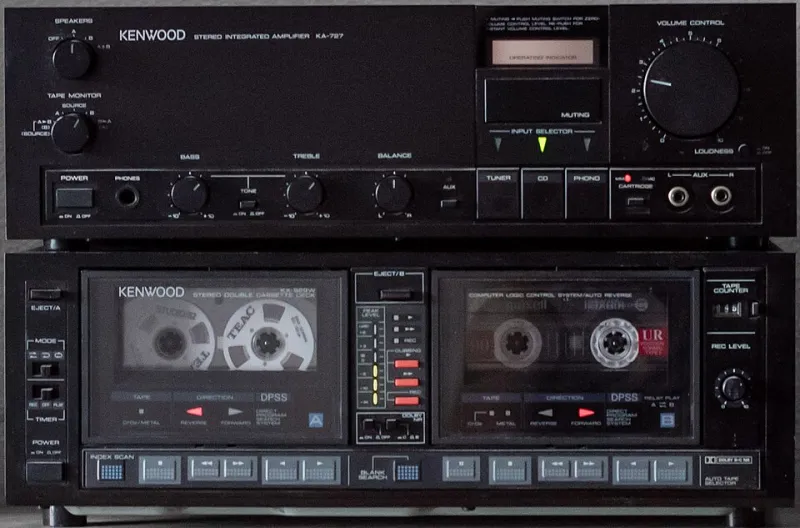
Photo: kishjar? from Moscow, Russia, CC BY 2.0, via Wikimedia Commons
Every found cassette comes with a little pause before the first play. You flip it over, check the shell, maybe sniff it, and then the old collector’s reflex kicks in: fast-forward to the end, rewind to the start, and only then press play. The move gets called “exercising” the tape, and it has the feel of a secret handshake. But does it actually do anything useful? I spent a weekend testing the ritual on a secondhand deck with a known-good tape and a small stack of thrift-store finds. The short answer: sometimes it helps, sometimes it is pure theater, and sometimes it is the thing that turns a fragile tape into a mess.
What the Ritual Is Supposed to Do
The logic behind exercising a tape is simple enough. A cassette that has sat in a box for years can develop a loose or uneven tape pack. The layers may be wound at different tensions, or the tape may have settled against the shell in a way that makes the first play sound wobbly. Running the tape end to end is supposed to even out that pack, loosen things up, and give you a quick listen to the transport before any important audio goes through the heads. In theory, you get a flatter pack, fewer surprises, and a warning if the tape is sticky or shedding.
That is the theory. The reality is that fast-forward is not a gentle massage. It is the fastest, highest-torque thing your deck does to a cassette, and it puts stress on the tape, the hubs, and the shell. So the ritual is not a freebie. It is a trade: a little wear in exchange for information and, occasionally, a better-running tape.
The Test Bench
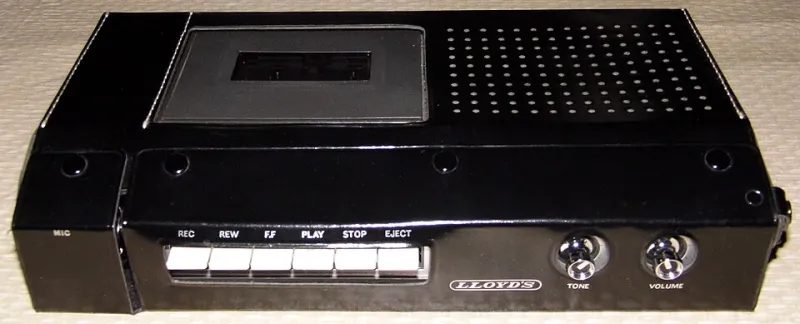
I used a secondhand two-head deck that had been cleaned and demagnetized, plus a known-good tape I had recorded myself with a familiar album and a few spoken test passages. That known-good tape matters. Without a baseline, you cannot tell whether a wobble is coming from the found cassette or from the deck itself. I also kept a sacrificial tape on hand, because testing a mystery cassette on a deck you care about is a good way to learn an expensive lesson.
The found tapes were the usual mix: a couple of estate-sale blanks, one commercial cassette with a faded J-card, and a C-90 with a pack that looked like a topographical map. I inspected each one first, checked the pressure pad, looked at the tape edges through the window, and cleaned the deck between tapes. Then I did one fast-forward and one rewind on each, stopping immediately if I heard scraping, squealing, or the telltale click of a tape that is about to bind.
When It Actually Helps
The ritual earns its keep when the tape pack is visibly loose or uneven. If you can see gaps between the wound layers, or the tape looks like it has slumped against one side of the shell, a slow end-to-end wind can help flatten the pack and give the transport a cleaner surface to pull against. It also helps you diagnose a problem early. If a tape fast-forwards smoothly but plays with a wobble, you are probably dealing with a tape-path or tension issue rather than a deck issue. If it fast-forwards with a scrape, stop. That is not a tape that needs exercise; that is a tape that needs a new home in the “do not play” pile.
It can also help with mild storage set, the slight memory a tape takes on from sitting wound in one position for years. A single pass will not erase that, but it can redistribute the layers enough to make the first play more stable. Think of it as loosening up a stiff hinge, not rebuilding the door.
When It Adds Wear
The ritual turns against you when the pack is already even. If a tape looks flat and plays cleanly, fast-forwarding it is just extra friction. Every pass puts the tape against the guides and heads, and fast-forward is the least gentle pass of all. Thin tapes, especially C-90s and the rarer C-120s, are more vulnerable to stretching and edge damage. A dirty deck makes it worse. A worn pinch roller or a sticky guide can turn a quick exercise into a slow abrasion test.
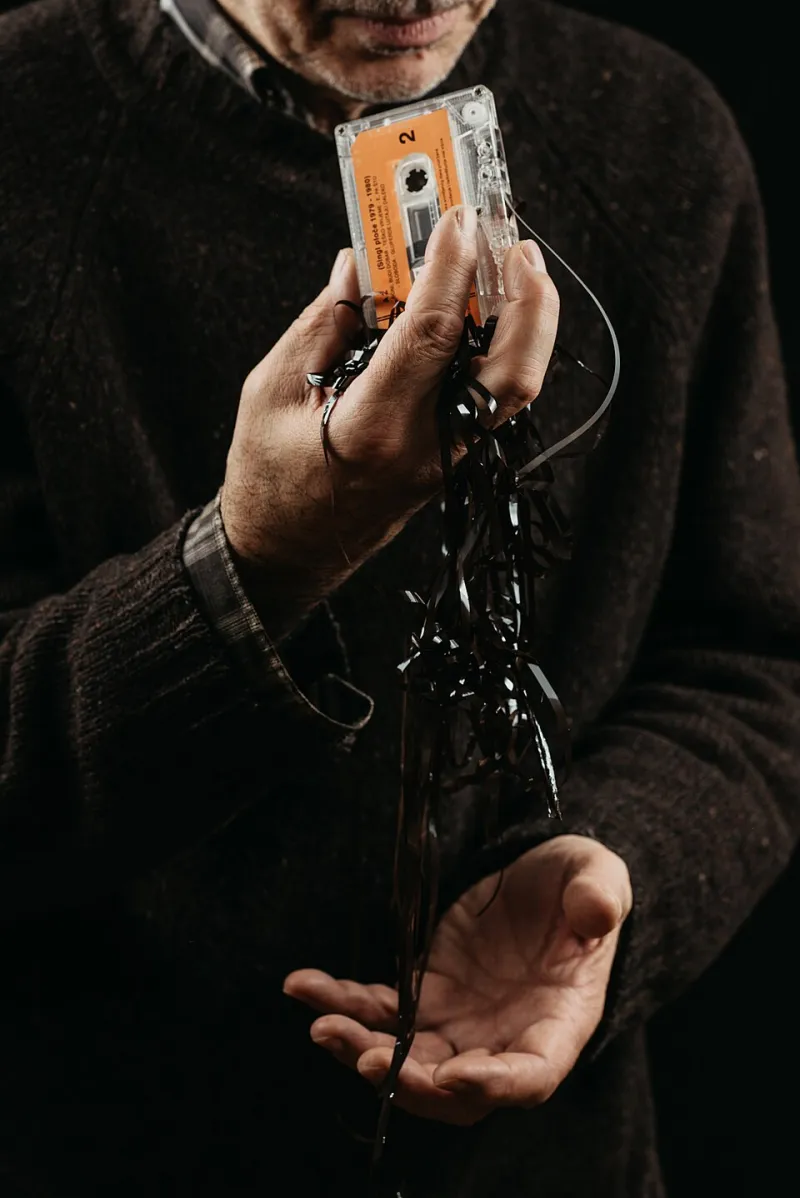
It is also a bad idea on a tape that is already shedding, squealing, or showing mold. Exercise will not fix those problems. It will just spread the mess and possibly ruin the deck. And if the tape is irreplaceable, do not make it the guinea pig. Use a known-good tape to check the deck first, then decide whether the found tape is worth the risk.
Reading the Known-Good Tape
The known-good tape is the control in the experiment. Play it before you touch the found cassette. Listen for speed stability, wow, flutter, and any mechanical noise. Then exercise the found tape and play it again. If the known-good tape still sounds clean, the deck is probably fine and the found tape is the variable. If the known-good tape also starts to wobble, stop and clean the transport. You may have a deck problem, not a tape problem.
A simple before-and-after note helps, too. Write down what you see through the window, what you hear during the wind, and how the first minute plays. That sounds fussy, but it keeps you from repeating the same ritual on the same tape every time you pull it out of the box.
A 2026 Pre-Play Checklist for Tape Hunters
- Inspect the shell, screws, window, pressure pad, and tape edges before anything goes into the deck.
- If the tape smells musty, looks fuzzy, or leaves residue on your fingers, stop. Do not exercise it.
- Clean the deck and check the pinch roller before a testing session.
- Play a known-good tape first so you have a baseline for speed and stability.
- If you choose to exercise a found tape, do one fast-forward and one rewind, and stop at the first sign of scraping or squealing.
- Watch the pack through the window. A flat, even wind is a good sign. A climbing, lopsided pack is not.
- Play the first thirty seconds at low volume and listen for wobble, dropouts, or mechanical noise.
- Do not repeat the ritual “just to be sure.” One pass is information. Three passes are wear.
- Store the tape vertically, away from heat, and keep the case closed.
- If the tape is valuable, digitize it before you make it a regular player.
The fast-forward ritual is not nonsense, but it is not a cure-all either. It is a diagnostic with a cost. On a loose, grumpy old cassette, a single pass can tell you more than it fixes. On a clean, even tape, it is mostly a habit. For 2026 tape hunters, the smart move is to treat exercise as a question you ask the tape, not a guarantee you impose on it. Keep a known-good tape nearby, keep your deck clean, and let the first play tell you the rest.