The Bench Is Booked Solid: What 2026’s Deck-Repair Queue Reveals About the Analog Revival

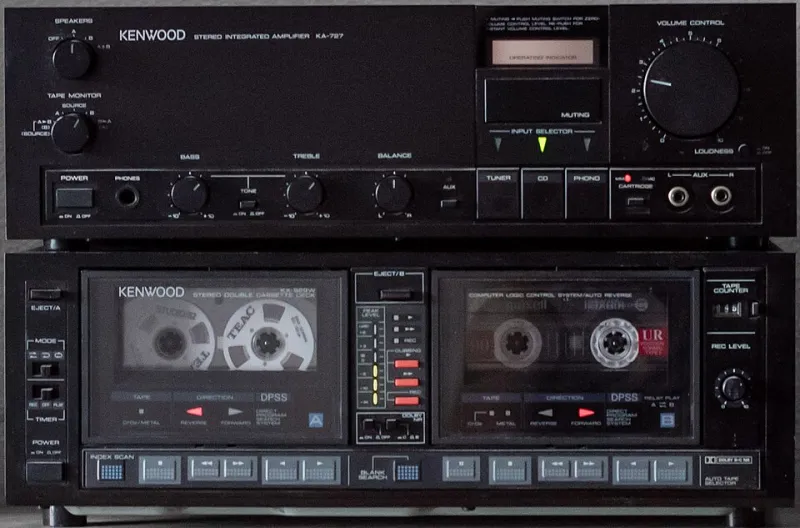
Photo: kishjar? from Moscow, Russia, CC BY 2.0, via Wikimedia Commons
There is a particular kind of optimism in buying a used cassette deck from a folding table in a church parking lot. It is the optimism of the $20 gamble: maybe the belts are fine, maybe the meters work, maybe the heads have another decade in them. In 2026, that optimism runs straight into a more practical question. Who is going to fix it when it starts eating tapes?
The answer, increasingly, is a small and overloaded network of repair technicians, retired bench veterans, and parts scavengers. Their waiting lists have become one of the clearest signals of where the analog revival actually is. The hobby is no longer just about finding the right deck. It is about keeping the deck you found.
The Waitlist Is the Story
Walk into any serious tape conversation this fall and you will hear a version of the same line: the bench is booked. Some shops quote a few weeks. Others are looking at a couple of months. A few have stopped taking new work entirely unless the deck is something they consider worth the shelf space.
That is not because cassette decks are suddenly rare. They are not. Thrift stores, estate sales, Facebook Marketplace, and the back corners of Craigslist are still full of them. The bottleneck is skilled labor. Belt replacement is one thing. Diagnosing a transport that plays fast only when the room is warm, or a record circuit that drops the left channel after twenty minutes, is another. The people who can do that work are not multiplying quickly.
What makes 2026 different is who is asking for the work. A few years ago, the typical repair inquiry often came from someone who had inherited a deck and wanted to know if it was worth selling. Now the questions sound more like stewardship. Can this be saved? What should I expect to spend? Is it better to fix this one or find a better chassis and use this as a donor? Collectors are starting to think in terms of maintenance intervals, not just purchase price.
What’s Actually on the Bench
The common jobs are not glamorous. They are mechanical, electrical, and stubbornly physical. Belts have turned to gum. Idler tires have gone shiny. Reel motors develop dead spots. Capstan motors get noisy. Pinch rollers harden and start pulling tape slightly off-center. Door mechanisms snap, crack, or refuse to latch. Pushbuttons need cleaning. Speed needs calibration. Meters need lamps. A deck that sat in a garage for fifteen years may need all of it at once.
Then there are the jobs that separate a parts-swapper from a technician. Playback and record levels need to be set properly. Head wear needs to be evaluated honestly. A deck with a worn head can still be a useful playback machine, but it may not be a good candidate for serious recording. Transport alignment matters. So does the condition of the circuit board, especially in decks that have seen damp basements or coastal air.
Shops tend to divide work into tiers. A basic service might cover cleaning, belts, tire, speed check, and a general inspection. A full service adds calibration, deeper transport work, and replacement of tired components. The gap between those tiers is where most repair budgets live or die. A $40 deck can become a $300 deck very quickly. That is not automatically a bad deal, but it should be a conscious one.
Which Decks Earn a Slot
Not every deck deserves bench time, and good technicians will say so. The strongest candidates tend to be mid-level or better machines with sturdy transports, serviceable layouts, and at least some parts availability. A well-built two-head deck with a solid mechanism and clean cosmetics can be a smarter save than a flashy three-head model with a cracked door and no donor support.
Direct-drive decks avoid some belt headaches, but they are not immune to motor and logic problems. Belt-drive decks are often easier to bring back, assuming the belts are available and the transport is not worn out. The real question is not brand prestige. It is whether the deck has a future: Can the technician get it apart? Are replacement tires or gears obtainable? Is the head still usable? Is the board free of battery corrosion or impact damage?
That is why so many collectors now buy with the bench in mind. A cosmetically rough deck with a known-good transport can be a better buy than a shiny one with a locked mechanism. A donor unit in the closet is not hoarding if it keeps another deck alive. The hobby has developed its own quiet logic of salvage.
The Parts Problem Has a Workaround
Parts are the other waiting list. Belts and tires are often available through specialty suppliers, but plastic gears, door latches, and model-specific switches can be harder. Some technicians rely on donor decks. Others work with small makers who produce replacement parts in short runs. A few have built informal networks of retired technicians who still have drawers of original stock.
For collectors, the practical takeaway is simple: ask about parts before you fall in love with a deck. A model with a known belt kit and a healthy donor pool is easier to keep running than an oddball with a beautiful face and a unique transport. The most collectible deck in the room is not always the most maintainable one.
How to Get on a Bench Without Getting Burned
First, be honest about the deck and the budget. Tell the technician what you actually want: playback only, recording, or a full restoration. Ask whether the shop charges a diagnostic fee and whether that fee applies to the repair. Get an estimate in writing, and ask what happens if the estimate changes once the deck is open. A good shop will not promise a fixed price before it has seen the inside.
Second, ask about turnaround and communication. A long wait is not automatically a red flag. Silence is. You want to know when the deck will be evaluated, when you will hear back, and what the shop does if a part cannot be sourced.
Third, pack the deck like it matters. Remove the tape, secure the door, use plenty of padding, and double-box if you are shipping. A repaired deck can still arrive damaged if the transport takes a hit in transit. If you are buying locally, ask whether the seller has a tape you can test with. Play, fast-forward, rewind, and listen for wobble or scraping.
Finally, do not wait until the deck dies. Preventive service is cheaper than emergency service. A clean transport and fresh belts are not glamorous, but they are the difference between a shelf ornament and a working piece of analog culture.
The repair queue is not a sign that the cassette revival has stalled. It is a sign that it has grown up. The collectors who stay in this hobby are learning what every good bench technician already knows: the music is only half the format. The other half is the machine that carries it, and machines need care.