A Side of the Year: Cutting a 2026 Audio Letter for the Person You’ll Be in 2036
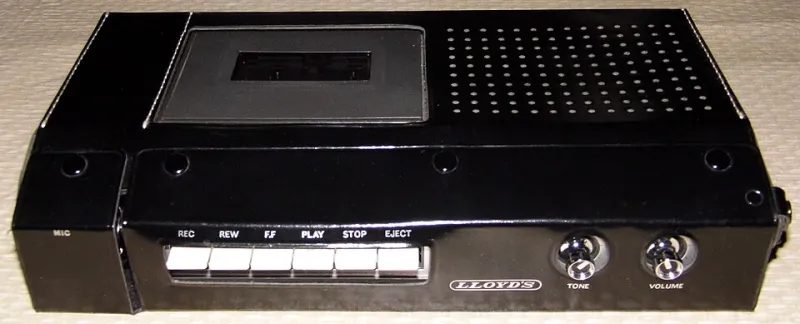
Photo: Joe Haupt from USA, CC BY-SA 2.0, via Wikimedia Commons
Every December, the recap machine revs up. Streaming services hand you a playlist of your own habits, photo apps stitch together a highlight reel, and your group chat fills with screenshots of everyone else’s year in numbers. It is a lot of remembering, and most of it slides past before you have time to feel any of it.
A cassette side asks for something else. It is finite. It has a beginning, a middle, and an end. You cannot infinite-scroll a C-60. That is the whole appeal of sitting down with a modest deck sometime in the last weeks of 2026 and recording an audio letter to the person you will be in 2036.
This is not a production. It is a ritual with a transport button.
Why a Tape Beats a Year-End Recap
Digital recaps are assembled for you. An algorithm decides which months mattered, which songs counted, which photos made the cut. A tape letter is assembled by you, in real time, with all the pauses and throat-clearing left in.
That is not a flaw. The human gap is the point. A future listener — even if that listener is you — will learn more from the way you laugh at your own joke than from a clean list of accomplishments. Tape forces you to commit. You press record, you talk, you stop. There is no draft folder, no edit history, no cloud backup to fiddle with at 2 a.m.
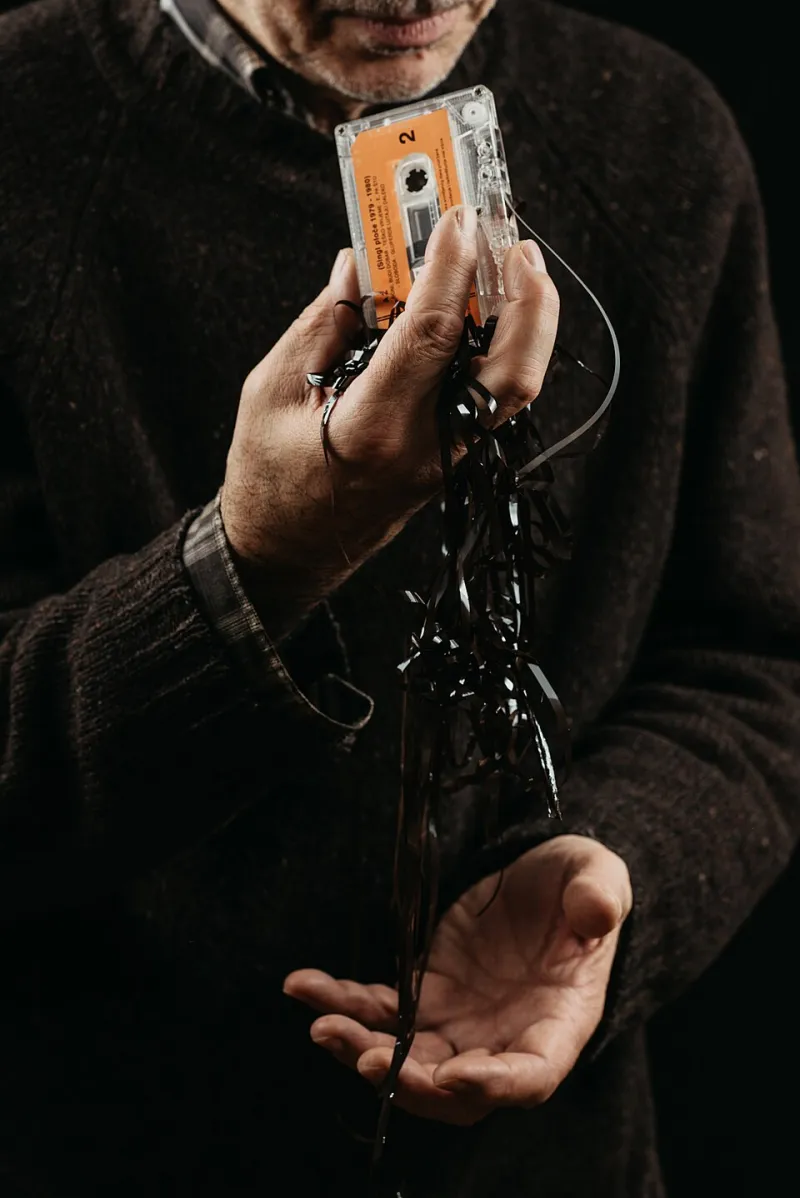
And because it is physical, it survives differently. A tape in a shoebox does not need a password. It does not get deprecated by a platform update. It waits.
Ten Prompts for Side A
You do not need all ten. Pick four or five and let the rest be breathing room. The goal is a listenable record, not a deposition.
- Where are you right now? Describe the room, the weather, the sound outside. Future you will care more about the ordinary texture than the headline news.
- What did 2026 ask of you? Not the résumé version. The version where you admit what was hard.
- What did you get wrong? Keep it specific and kind. A tape letter is not a confession booth, but it is a place for honesty.
- What song did you play too much? Say the title, say why. If you can, play a few seconds from the speaker into the mic — badly is fine.
- Who did you miss? Names, small memories, the last time you saw them.
- What did you buy that was worth it? A practical prompt that ages surprisingly well.
- What did you worry about that never happened? Future you will find this either funny or useful.
- What is your current dumb little joy? The coffee mug, the walk route, the weird show you watch while folding laundry.
- What do you hope is different in 2036? Avoid predictions. Describe a Tuesday you would like to have.
- What should future you remember about this version of you? End here. It gives the side a landing.
Recording Cleanly on a Modest Deck
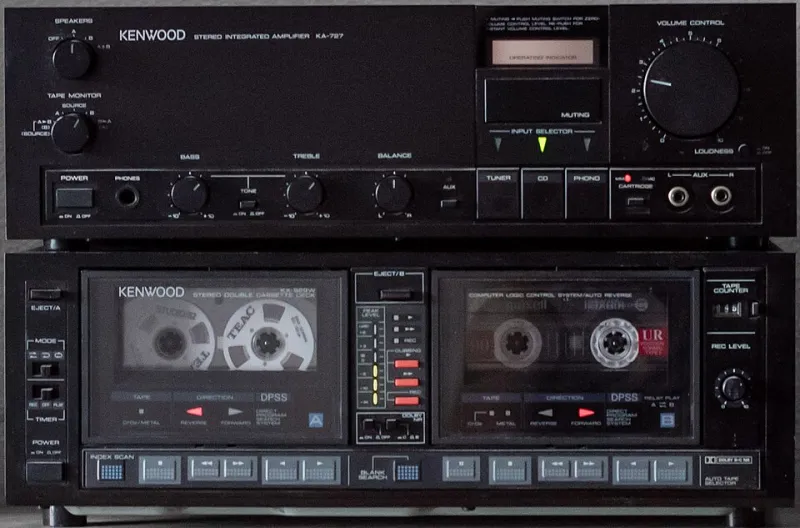
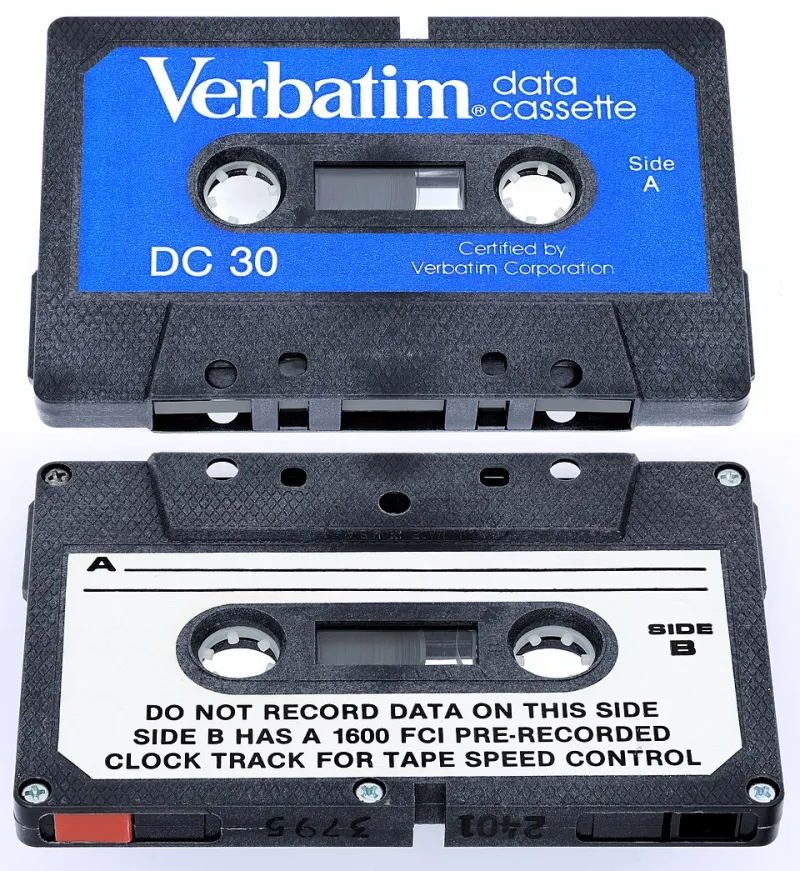
You do not need a Nakamichi. A working thrift-store deck with clean heads and a decent blank will do. Use a Type I cassette if that is what you have. A C-60 gives you thirty minutes a side, which is plenty for a letter and a little music at the end.
Set the deck on a stable surface. Plug in a microphone if you have one; if not, the built-in mic is fine, but get close and stay there. Avoid recording next to a refrigerator, a window unit, or a laptop fan. Turn off your phone’s ringer, not just the notifications. The goal is not silence — the goal is a room that sounds like a room.
Do a thirty-second test. Play it back. If your voice is distorting, lower the recording level. If it is buried in hiss, raise it slightly. Do not chase perfection. You are making a document, not a demo.
Leave a little air at the top of the side. Start with the date, spoken plainly: November or December 2026, your name, the city. That one sentence will anchor the whole tape for future ears.
Label It Like You Mean It
A tape without a label is a mystery, and not the fun kind. Use the J-card. Write the date, the year, and a short title. Something like 2026: The Year of the Slow Tuesday is better than Misc. Tape 4.
On the shell itself, write the same date and side. If you record music after the letter, note that too. Future you will appreciate the map.
Store It for the Long Haul
Keep the tape out of heat, sunlight, and the car’s glovebox. A shoebox in a closet is fine. Stand it upright, not stacked under a stack of old textbooks. If you are feeling fancy, drop a silica packet in the box and call it climate control.
Make a digital backup if you want one — record the tape into your computer once, save it, then put the cassette away. The backup is for convenience. The tape is for the ritual.
The Point Is the Pause
The last weeks of 2026 will be loud. There will be sales, travel, family logistics, and a hundred prompts to summarize your year in a format someone else designed. You do not have to opt out of all of it. But you can make one small, stubborn object that refuses the scroll.
Press record. Say the date. Start talking. Side A is a question, and you are the only one who can answer it.