Hiss on Loan: A Starter Shelf for Friends Who Just Bought a Deck
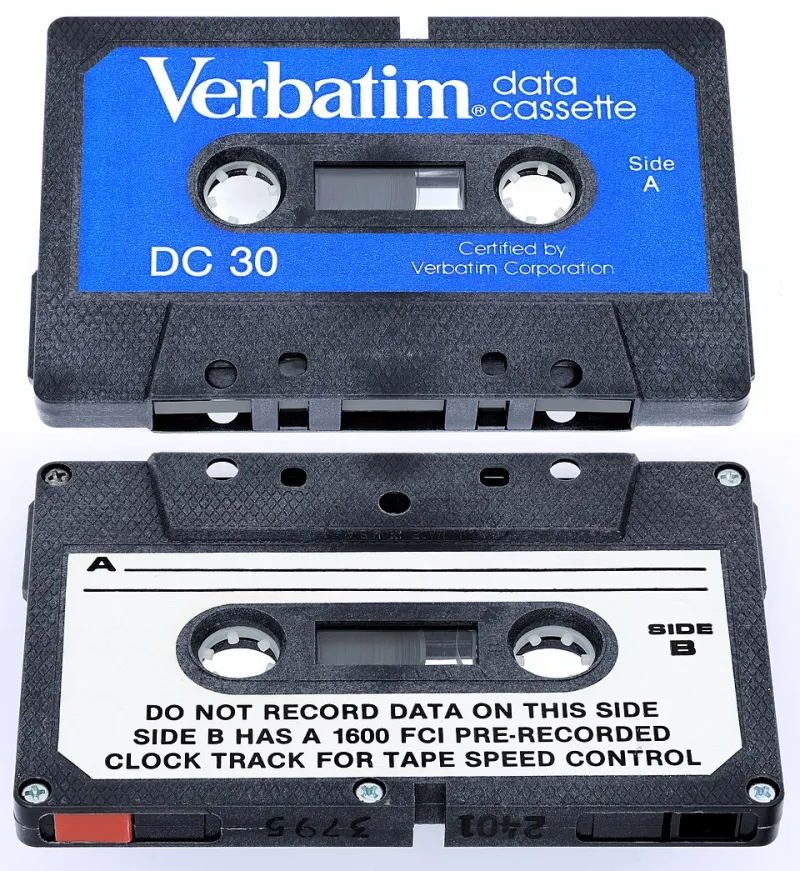
Photo: Mister rf, CC BY-SA 4.0, via Wikimedia Commons
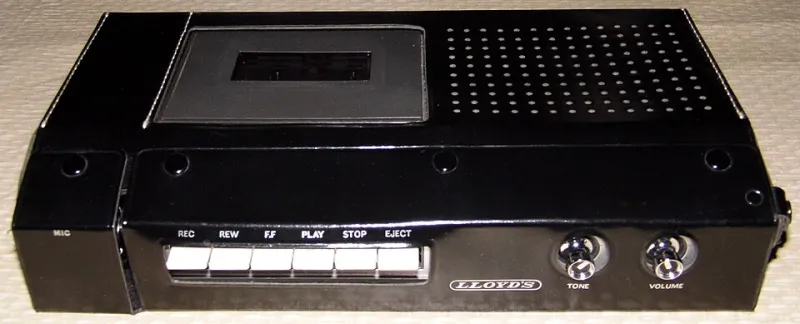
Every few months, someone texts me a photo of a cassette deck sitting on a thrift-store shelf or in the back of a relative's closet. They bought it for $12, they have no tapes, and they want to know where to start. The worst answer is 'buy a bunch online and hope.' The better answer is a loaner shelf: a small, separate stash of cassettes you are genuinely willing to hand over so a new listener can learn by borrowing instead of buying blind. Here at Makarateyp, we like a collection that circulates. A loaner library is how you do that without turning your good stuff into a science experiment.
The Shelf Is Not the Collection
The first rule is physical separation. Do not mix loaners into your personal stacks. Keep them in a milk crate, a shoebox, a plastic bin with a lid, or a dedicated drawer. Label the container. Give every tape a simple ID number with a Sharpie on a fresh label: L-01, L-02, L-03. This sounds fussy until the first tape goes missing and you cannot remember whether it was the copy of Rumours or the homemade soul mix that vanished.
A loaner shelf should feel useful, not precious. These are tapes with a job: teach someone how to load a deck, how to read a J-card, how to hear when a tape is running slow, and how to care for a shell that is not sealed in plastic. If a tape gets chewed, you retire it and move on. That is the cost of doing business.
What Earns a Spot on the Loaner Shelf
Start with eight to twelve tapes. More than that becomes inventory management. Fewer than that and your friend has nothing to browse.
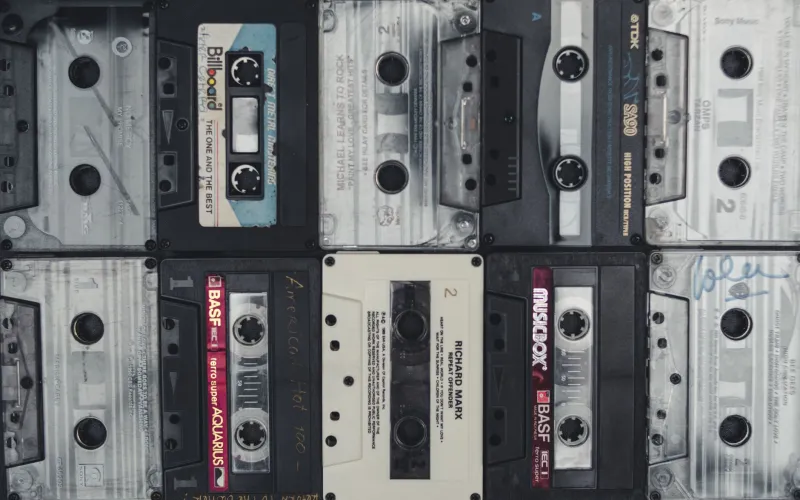
Include a few cheap commercial tapes you have already played end to end. Thrift-store copies of big-selling albums are ideal: familiar enough to be a comfort, common enough that losing one will not ruin your week. Test both sides first. Note dropouts, speed wobble, or a pressure pad that looks ready to crumble.
Add a couple of sturdy C-60 or C-90 blanks with personal-use dupes of records or CDs you own. Keep the sequencing simple. A good loaner mixtape might be 'Side A: clean pop hooks; Side B: slower soul and country.' Write the track list on the J-card in legible handwriting. The point is not to show off your deep cuts. The point is to give a new listener a guided tour of how a cassette side breathes.
Throw in one or two oddballs: a dollar-bin easy-listening tape, a local band demo, a radio-recorded mix with the DJ talking over the intro. New analog listeners need to hear that tape culture is not only pristine albums. It is also hiss, edits, and accidental charm.
What Never Leaves the House
Keep sealed tapes off the loaner shelf. Keep rare pressings off it. Keep anything with sentimental value off it, too. That includes the first mixtape someone made for you in 1998, the tape you bought at a show that no longer exists, and anything you would quietly resent losing.
Also keep unidentified tapes off the loaner shelf until you have played them. A shell with mold, a warped cassette, or a tape that squeals on the first pass is not a teaching tool. It is a deck killer. If you would not put it in your own machine, do not hand it to a friend with a freshly acquired deck.
Label Like You Mean It
Clear labels are the difference between a library and a pile. Put the ID number, title, and a short condition note on each case. 'L-04, Steely Dan comp, Side B has one dropout at track 3.' Use a fresh label instead of writing directly on the shell. Add a small 'LOANER' mark so nobody mistakes it for your personal copy.
The J-card matters, too. For commercial tapes, make sure the original card is present or make a clean photocopy. For mixtapes, write the track list and a note about the source: 'Dubbed from vinyl, some crackle.' That saves your friend from wondering whether the noise is the tape or their deck.
The Checkout Sheet
A clipboard by the shelf is enough. A spreadsheet works, too. Use columns for tape ID, title, borrower, contact info, date out, due date, and condition notes. Set a two-week loan by default. It is long enough to live with a tape, short enough that the shelf keeps moving.
Before a tape leaves, take a phone photo of the J-card and the shell. When it comes back, play the first minute of each side. If something has changed, note it. This is not about catching anyone in a lie. It is about keeping the shelf honest and keeping your own memory from turning into fog.
Etiquette That Keeps the Shelf Moving
Give every borrower a short spoken rundown: keep tapes out of hot cars, do not leave one paused in a deck overnight, return the J-card with the tape, and say something if the deck starts eating it. Ask them not to lend the tape onward. One borrower, one tape, one due date. If they want to dub a copy for themselves, that is a conversation, not a surprise.
When a tape comes back late, be casual. When it comes back chewed, retire it without a lecture. The goal is circulation, not perfect preservation. A loaner library works because it accepts a little wear as the price of admission.
Keep the Circle Small
Start with friends who actually asked. Add a neighbor who inherited a boombox. Add the coworker who found a deck at an estate sale. Keep the shelf to people you would lend a book to. A loaner library is not a public institution; it is a small analog favor with a system attached.
Once a year, empty the crate, play a few seconds of each tape, and pull the ones that have gone soft or noisy. Replace them with fresh dupes. A good loaner shelf is never finished. It just keeps hissing along, one borrowed side at a time.