The Human Gap: Reading Pause-Button Edits on Found Mixtapes
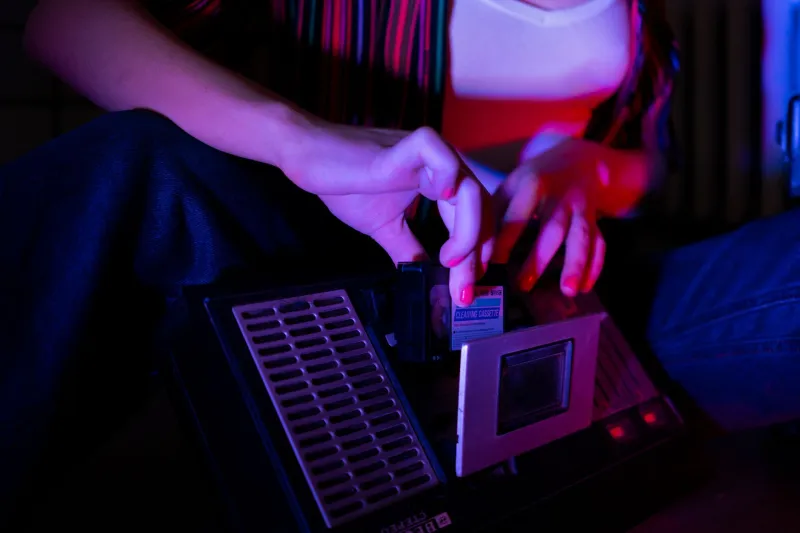
Most cassette decks have a pause button that feels like a small mechanical secret. Push it down and the transport stops, but the recording circuit stays armed. Release it and the tape rolls again. For a generation of home dubbers, that button was not a convenience. It was the edit suite. It was how you built a mixtape in real time, one finger-timed decision at a time.
That is the part that gets lost when people talk about mixtapes as nostalgia. The pause button was an instrument. It had a feel, a travel, a click. You learned how hard to hit it so the next song didn’t begin with a wobble. You learned to anticipate the fade, the cold ending, the drum pickup. You learned that a perfect edit was not always the goal. Sometimes the goal was a gap that sounded like a person thinking.
The Sound of a Finger Landing
A real-time pause edit rarely sounds like a digital cut. It sounds like a room. The previous song may end with a half-second of tape hiss before the next one arrives. The incoming track might start a touch late, clipping the first strum or snare. If the dubber was rushed, you hear a soft thump when the pause button releases. If the deck was tired, you hear a speed wobble as the capstan gets back up to pace.
Those artifacts are not bugs in the collector’s ear. They are evidence. They tell you someone was sitting there with a stack of records, a cassette, and a deadline. They tell you the tape was made in a bedroom, a dorm, a car, or a kitchen table with the radio turned up. They tell you the edit was live.
On a found tape, the first clue is often the space between songs. Digital sequencing tends to be tidy. Real-time pause editing leaves uneven gaps. One transition might be almost seamless; the next might have a full second of silence and a faint click. That inconsistency is the signature. It is also why two tapes of the same track list can feel completely different.
How to Spot a Real-Time Edit in the Wild
Start with headphones and a deck you trust. Listen to the transitions, not just the songs. A pause edit often shows up as a sudden absence of room tone, followed by a new room tone that does not quite match. If the dubber recorded from vinyl, you may hear the stylus lift or a soft pop at the cut. If they recorded from the radio, you may catch a DJ talking over the intro or a station ID that got clipped by the pause.
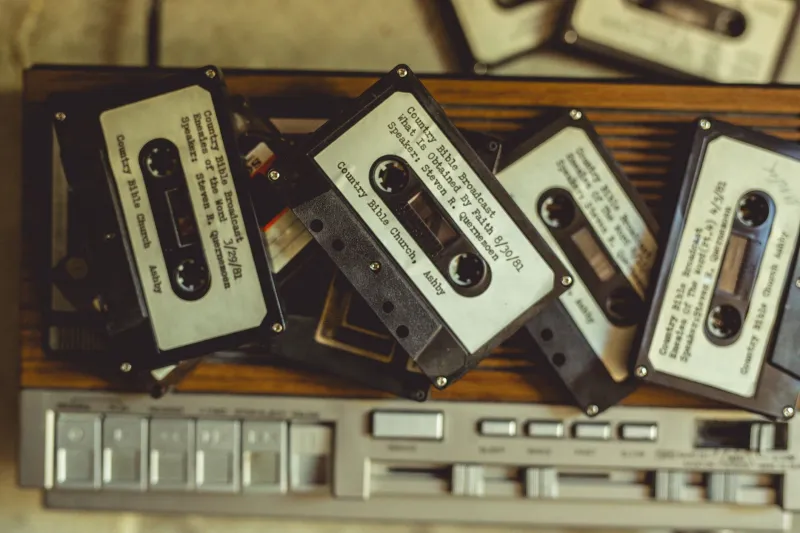
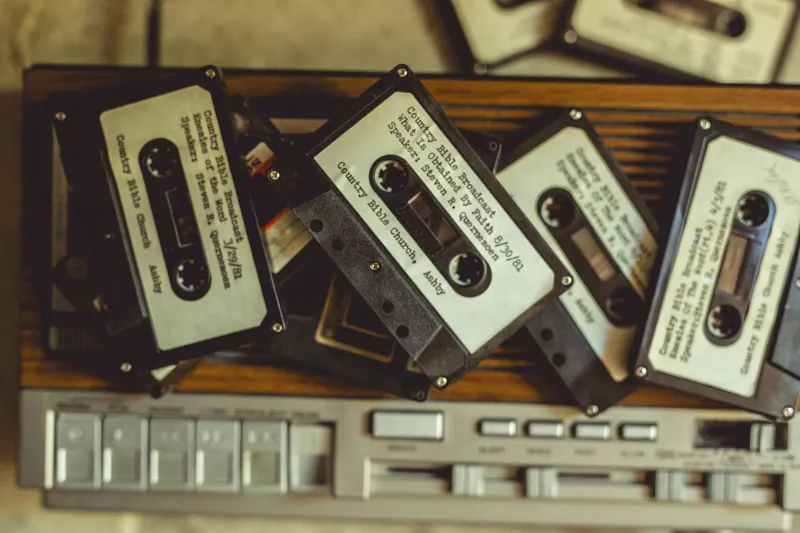
Look at the J-card, too. Handwritten track lists with cross-outs and arrows are a good sign. So are timing notes like “start after piano” or “cut loud.” Those notes are the paper trail of a live edit. On the tape itself, watch for a small crease or pressure mark near the pause button area of the shell, though that is less reliable. The real tell is in the audio: abrupt starts, clipped endings, and gaps that breathe like a human hand.
One more clue is level inconsistency. A real-time dubber was often riding the record level while also hitting pause. If one song is noticeably hotter than the next, that is not necessarily sloppiness. It may be the sound of someone making decisions in motion.
Why Collectors Started Listening for Mistakes
For years, the conventional wisdom was that a good mixtape should hide its seams. Now the seams are part of the appeal. Collectors who trade found tapes in 2026 are not just chasing track lists. They are chasing evidence of labor. A pause-button edit is a small record of attention. It says someone cared enough to stop the tape at the right moment, even if the right moment was approximate.
This is especially true for tapes made from radio. A pause edit that catches the tail of a DJ’s sentence or the first second of a commercial is a time capsule with a fingerprint on it. The same goes for tapes made from borrowed records. The pause was how you skipped the track you didn’t like, extended the one you did, or stitched two songs into a single mood. The imperfections are the memory.
There is also a practical reason collectors prize these tapes. They are hard to fake convincingly. You can imitate a hiss floor or a wow-and-flutter wobble, but the timing of a real pause edit is idiosyncratic. It has a rhythm that belongs to one person’s hand. That makes it a kind of accidental folk art, closer to a handwritten margin note than a manufactured product.
Practicing the Craft Without Chasing Digital Perfection
If you want to try pause-button editing in 2026, start with a deck that has a mechanical pause you can feel. A soft-touch button can work, but a chunky one gives you more feedback. Use a blank cassette you don’t mind sacrificing, and record from a source you know well. A single LP side or a curated streaming queue works fine. The point is not the source. The point is the timing.
Set your record level first, then leave it alone. Practice stopping the tape just before the next song begins. Release the pause and listen back. You will probably clip the first note. That is normal. Do it again. You are learning the travel of the button and the lag of the transport. After a few passes, you will start to anticipate the gap instead of reacting to it.
Do not chase a seamless result. A little air is good. A faint click is fine. The goal is a tape that sounds like it was made by a person in a room, not a playlist that fell out of a cloud. If you are dubbing from vinyl, let the run-out groove breathe for a second before you hit pause. If you are dubbing from radio, try to catch the moment between songs, not the middle of a chorus. The edit should serve the mood, not show off.
A Small Doctrine for Human Gaps
The pause button is not a relic. It is a reminder that sequencing used to be physical. You could not undo it with a keyboard shortcut. You had to commit, listen, and live with the result. That is why a pause-edited mixtape still feels alive. It carries the weight of a decision made in real time.
So when you find a tape with a clipped intro or a sudden hush between tracks, don’t dismiss it as a bad dub. Listen closer. That gap might be the most honest thing on the whole cassette. It is the sound of a finger landing, a transport waking up, and a person trying to make a sequence stick. In 2026, that is worth preserving.